
Auto Glass Repair
TL;DR:
- Box truck windshield replacement involves installing certified safety glass that meets federal standards. It typically costs between $500 and $3,000, including calibration and sensor integration, and requires 2 to 4 hours of vehicle downtime. Compliance with regulations like 49 CFR 393.60 and FMVSS 205 is essential to ensure safety and avoid legal issues.
Box truck windshield replacement is defined as removing damaged commercial vehicle glass and installing a certified, safety-compliant windshield designed to meet federal standards for driver visibility and structural integrity. For fleet operators in Portland, OR, a cracked or shattered windshield is not a cosmetic issue. It is a compliance risk, a liability exposure, and a direct threat to driver safety. Federal regulations under 49 CFR 393.60 and FMVSS 205 govern exactly what qualifies as acceptable glass in commercial vehicles. Getting this right means understanding cost, scheduling, ADAS calibration, and the difference between a quick fix and a compliant replacement.
What does box truck windshield replacement cost?
Replacement costs range from $500 to $1,500 for most box trucks, with advanced sensor-equipped units pushing the total to $3,000 when calibration is included. That wide range reflects real variables you need to account for before approving a work order.
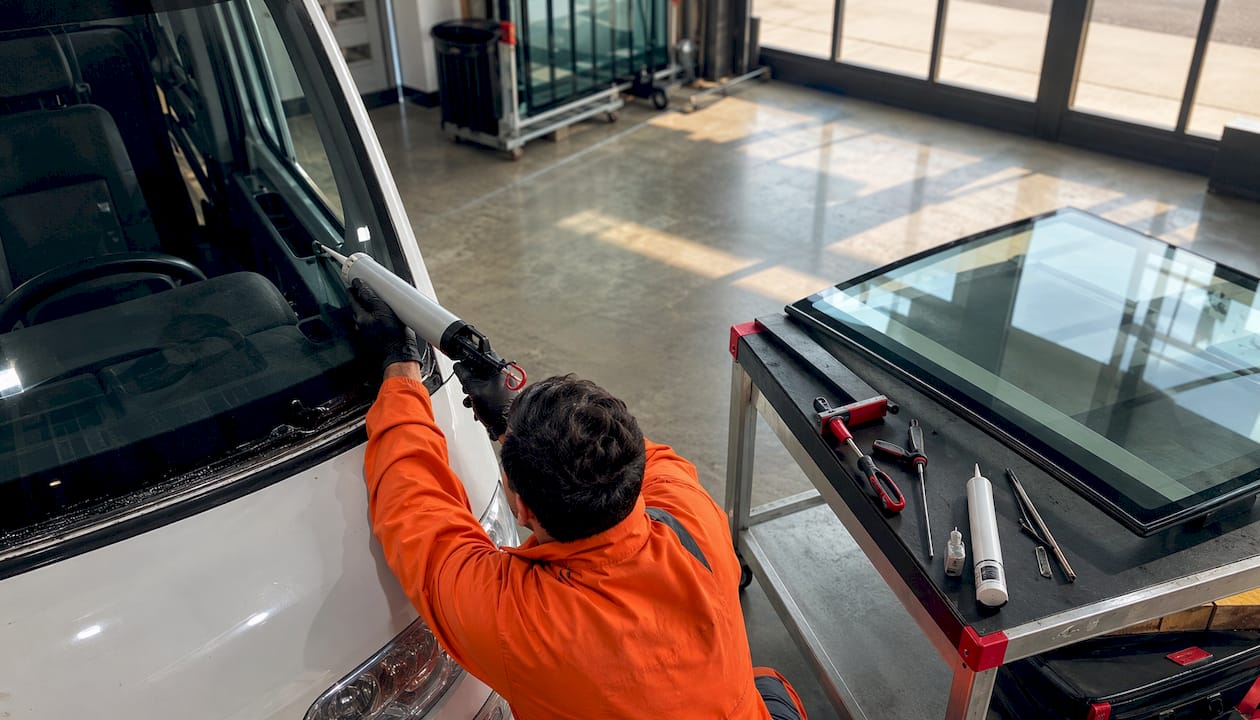
The biggest cost drivers are glass type and ADAS integration. A standard laminated windshield without embedded sensors sits at the lower end of the range. An OEM-quality windshield with camera brackets, rain sensors, or heads-up display compatibility costs significantly more. Calibration fees for ADAS systems add $200–$600 on top of the glass and labor. You can review windshield replacement cost factors in detail before budgeting for your fleet.
Mobile service adds a convenience fee but often saves more in avoided downtime than it costs. Shop-based replacements may run slightly less on labor but require pulling the truck from rotation for a half-day or more. The indirect cost of a truck sitting idle frequently exceeds the price difference between service options.
| Service type | Estimated cost | Notes |
|---|---|---|
| Basic shop replacement | $500–$900 | Standard glass, no sensors |
| OEM glass with sensors | $1,200–$1,800 | Includes camera bracket fitment |
| Full replacement with ADAS calibration | $1,800–$3,000 | Calibration fees included |
| Mobile on-site service | Add $75–$150 | Saves truck downtime |
Pro Tip: Get a line-item quote that separates glass, labor, mobile fees, and calibration. Bundled pricing hides the true cost of ADAS recalibration and makes fleet budgeting harder.
How long does the replacement process take, and how does it affect operations?
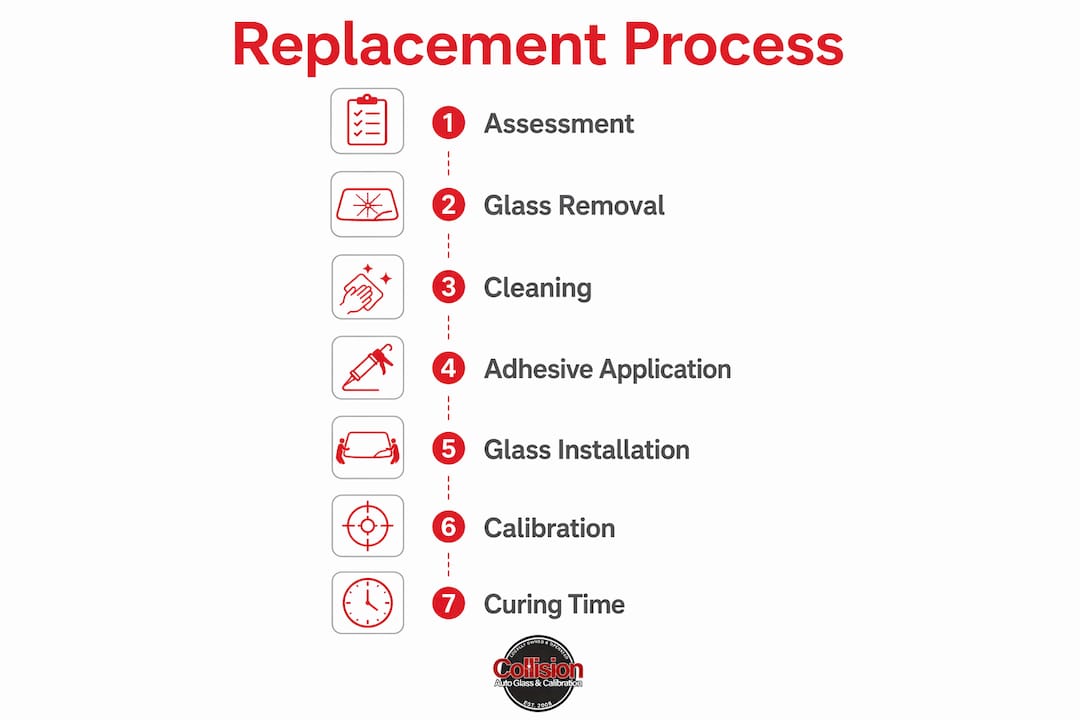
Professional windshield replacement takes 60–90 minutes for installation, plus a minimum of one hour for the urethane adhesive to cure before the vehicle is safe to drive. Total vehicle downtime typically runs 2–4 hours, including prep work and post-installation checks. That window expands when ADAS calibration, rust remediation, or environmental factors are involved.
Here is a realistic timeline for a box truck replacement with sensor calibration:
- Pre-inspection and damage assessment (15–20 minutes): The technician documents existing damage, checks for rust on the pinch weld, and confirms ADAS hardware compatibility before removing the old glass.
- Glass removal and frame preparation (20–30 minutes): Old adhesive is cleared, the frame is cleaned, and any corrosion is treated before new adhesive is applied.
- Windshield installation (30–40 minutes): The new glass is set, aligned, and bonded with urethane adhesive. Proper adhesive application is not optional. It is the structural bond that holds the windshield in place during a rollover.
- Adhesive curing (60–90 minutes minimum): The truck cannot move until the adhesive reaches safe drive-away strength. Cold, wet Portland weather slows this process.
- ADAS calibration (30–90 minutes): Static calibration requires a controlled environment. Dynamic calibration requires a road test. Either way, skipping this step creates liability.
Mobile service fits naturally into a fleet schedule when the site has safe, level parking and adequate lighting. Mobile-ready site conditions are the single biggest factor in whether on-site service runs on time or runs long. You can also check how long a replacement takes for a full breakdown by service type.
Pro Tip: Schedule replacements during a truck’s natural downtime window, such as overnight or between delivery cycles. Avoid scheduling during peak dispatch hours when a two-hour delay cascades into missed routes.
What federal regulations apply to commercial windshield replacement?
Under 49 CFR 393.60, certain windshield damage in a commercial motor vehicle constitutes a critical violation. Damage in the driver’s primary sightline or damage exceeding specific size thresholds triggers an out-of-service order until the vehicle is repaired. That means a cracked box truck windshield is not just a maintenance item. It is a potential roadside shutdown.
“Certified safety glass must carry an AS-1 rating or equivalent marking to pass federal inspection. Glass that meets FMVSS 205 standards is the only compliant option for the driver’s primary viewing area in a commercial vehicle. Non-compliant glass fails inspection and exposes the fleet operator to liability.”
The regulatory requirements fleet operators need to know:
- 49 CFR 393.60 prohibits operating a commercial vehicle with a damaged windshield that obstructs the driver’s view or compromises structural integrity.
- FMVSS 205 sets the federal safety glazing standard. All replacement glass must carry the appropriate AS-1 marking in the driver’s primary viewing zone.
- ADAS calibration mandates from vehicle manufacturers are not suggestions. Ignoring calibration after replacement disables collision mitigation and lane-departure systems, creating direct liability in the event of an accident.
- Structural integrity requirements mean the windshield contributes to roof crush resistance in a rollover. A poorly bonded replacement fails this function even if the glass itself is compliant.
The AS-1 marking on certified safety glass is the fastest way to confirm compliance at the point of installation. Require technicians to show you the marking before they bond the glass.
What are best practices for managing fleet windshield replacements efficiently?
Efficient commercial truck windshield service starts before the technician arrives. The decisions you make at the fleet management level determine whether a replacement takes two hours or two days.
Standardized damage reporting with photos and precise damage location notes reduces downtime and speeds technician diagnosis. Fleet managers who capture vehicle ID, two photos (one from inside, one from outside), damage location, and any notes on glare or visibility impact give the service provider everything needed to prepare the right glass and tools before arriving on-site.
Key practices that separate efficient fleets from reactive ones:
- Report damage early. A chip caught at the depot costs a fraction of a full replacement. Drivers should report any damage at the end of each shift, not when the crack reaches the edge of the glass.
- Schedule planned replacements, not emergency fixes. Prioritizing early, scheduled replacement reduces disruption and cost compared to emergency roadside service. A truck pulled from a route midday costs far more than one scheduled for overnight service.
- Verify ADAS hardware compatibility before ordering glass. Prechecking sensor and camera bracket compatibility before installation prevents costly delays caused by sensor misalignment or bracket fit issues. This check takes minutes and avoids hours of rework.
- Require rust remediation before adhesive application. Corrosion on the pinch weld before adhesive application compromises the structural bond and creates compliance failures. Any reputable commercial glass provider treats this as a mandatory step, not an optional add-on.
- Prepare the site for mobile service. Level parking, overhead clearance, and adequate lighting are not luxuries. They are the conditions that allow a mobile technician to work safely and efficiently. A poorly prepared site adds time and increases the risk of installation errors.
Fleet operators managing dashcam systems should also coordinate glass replacement with camera remounting. A dashcam setup guide for truck cabs covers mounting positions that work with post-replacement ADAS calibration requirements.
Pro Tip: Build a mobile-ready checklist for your depot. Include parking space dimensions, lighting availability, and a contact name for the technician. Send it with every service request so the provider arrives prepared.
Key Takeaways
Box truck windshield replacement requires certified glass, proper adhesive bonding, and ADAS recalibration to meet federal safety standards and keep your fleet legally operational.
| Point | Details |
|---|---|
| Cost range | Replacements run $500–$3,000 depending on glass type, sensors, and calibration needs. |
| Downtime window | Total vehicle downtime is typically 2–4 hours, longer when ADAS calibration is required. |
| Federal compliance | 49 CFR 393.60 and FMVSS 205 require AS-1 rated glass and compliant installation in all commercial vehicles. |
| ADAS calibration | Skipping recalibration after replacement disables safety systems and creates direct liability exposure. |
| Fleet best practice | Standardized damage reporting and scheduled replacements reduce cost and operational disruption. |
What fleet experience actually teaches you about windshield management
At Collision Auto Glass & Calibration, we have worked with Portland-area fleet operators long enough to see a clear pattern. The fleets that treat windshield replacement as a scheduled maintenance task run smoother than those that treat it as an emergency response. That sounds obvious, but the behavior we see most often is the opposite: drivers report a chip, the manager decides it is not bad enough yet, and three weeks later the truck is out of service with a crack that spans the driver’s sightline.
The ADAS calibration piece is where I see the most misunderstanding. Fleet managers sometimes assume that if the glass looks right and the truck drives fine, calibration can wait. It cannot. A forward-facing camera that is off by even a small margin will misread lane markings and following distances. The system will not tell you it is wrong. It will just perform incorrectly until something goes wrong. We treat ADAS recalibration as a non-negotiable part of every replacement, not an upsell.
Mobile versus shop service is a real operational decision, not just a convenience question. For fleets running tight overnight windows, mobile service at the depot is almost always the right call. For trucks with complex sensor arrays or unusual frame geometry, a controlled shop environment gives the technician more room to work accurately. The honest answer is that both options work well when the conditions are right. The mistake is choosing mobile service for a complex job because it seems faster, or bringing a simple replacement into the shop because it feels more thorough.
— Collision Auto Glass & Calibration
Collision Auto Glass & Calibration serves Portland fleet operators directly
Portland fleet operators need a commercial glass provider that understands compliance, not just glass. Collision Auto Glass & Calibration has served the Portland area since 2008, handling box truck and commercial vehicle glass replacement with in-house ADAS calibration, direct insurance billing, and a lifetime no-leak guarantee on every installation.
The mobile service model brings certified glass replacement and ADAS recalibration directly to your depot, eliminating the need to pull trucks from rotation for shop visits. Every replacement uses glass that meets FMVSS 205 standards. Every installation with sensors includes manufacturer-specified calibration. Fleet managers get a single point of contact, direct billing, and documentation for compliance records. Review common fleet glass questions or request a quote to plan your next scheduled replacement.
FAQ
How much does box truck windshield replacement cost?
Box truck windshield replacement costs range from $500 to $1,500 for standard glass, rising to $3,000 when advanced sensors and ADAS calibration are included. Calibration alone adds $200–$600 to the total.
Does a box truck windshield replacement require ADAS calibration?
Any box truck equipped with forward-facing cameras, lane-departure systems, or collision mitigation technology requires ADAS calibration after windshield replacement. Skipping calibration disables these safety systems and creates liability exposure.
What federal regulations govern commercial windshield replacement?
49 CFR 393.60 prohibits operating a commercial vehicle with windshield damage that obstructs the driver’s view, and FMVSS 205 requires all replacement glass to carry an AS-1 rating in the driver’s primary viewing zone.
How long does a box truck windshield replacement take?
Installation takes 60–90 minutes, plus a minimum of one hour for the urethane adhesive to cure. Total downtime, including ADAS calibration, typically runs 2–4 hours.
Is mobile windshield replacement a good option for box truck fleets?
Mobile replacement works well for most standard box truck jobs when the site has level parking, adequate lighting, and overhead clearance. Complex sensor arrays or unusual frame geometry may be better handled in a shop environment.
Recommended
- A Guide to Navigating Windshield Replacement Insurance Claims – Collision Auto Glass & Calibration
- How Long Does a Windshield Replacement Take? – Collision Auto Glass & Calibration
- How Seasonal Changes Can Affect Your Windshield Replacement Needs – Collision Auto Glass & Calibration
- How to Properly Care for a New Windshield – Collision Auto Glass & Calibration
Share
Recent Posts
October 6, 2026
Portland Drivers: Book an ADAS Calibration Appointment in 4 Steps
Portland: schedule ADAS calibration with a 4-step checklist. Have your VIN, ask the right OEM questions, and follow the vehicle-prep list to avoid...
October 5, 2026
Estimate vs Deductible: Windshield Insurance Billing for U.S. Drivers
Compare your shop estimate to your deductible. Follow a 7 step billing checklist and learn how direct billing avoids surprise balances....

October 4, 2026
US Drivers: Mobile Windshield Checklist, Standards & Local Tips
US checklist for mobile windshield replacement: industry standards and local tips on parking, ADAS calibration, and a 30–60 min drive-away....