Auto Glass Repair
Factory privacy glass is primarily about privacy and appearance, while aftermarket window film is what actually delivers reliable UV and heat rejection. If your only goal is keeping curious eyes out of the back seat, factory glass does the job. If you’re fighting sun damage, cabin heat, or want stronger shatter resistance, quality ceramic film closes gaps that factory glass leaves wide open.
TL;DR:
- Factory privacy glass provides permanent tint but offers limited UV protection, mainly blocking UVB rays, while aftermarket ceramic film can block up to 99% of UV rays.
- Quality ceramic window film also significantly improves infrared heat rejection, reducing cabin temperature more effectively than factory tinted glass.
- Layering tint over factory privacy glass can lead to legal issues if the combined VLT exceeds state limits, so net VLT calculations are essential before application.
- Factory privacy glass does not enhance shatter resistance or prevent interior fading, whereas aftermarket film adds safety and UV protection benefits.
- The lifespan and costs of aftermarket tint vary by type, with ceramic films lasting longer but requiring proper maintenance and professional installation to avoid damage.
Table of Contents
- Privacy Glass vs Tint: How Each One Is Actually Made
- Privacy Glass vs Tint: Comparing UV, Heat, and Safety Performance
- Is It Legal to Add Tint Over Privacy Glass?
- What Privacy Glass and Tint Cost Over Time
- Should You Layer Tint Over Your Factory Privacy Glass?
- Your decision checklist before adding film
- How We Advise Customers Weighing Privacy Glass Against Tint
- Where Collision Auto Glass & Calibration Fits Into Your Tint Decision
- Sources
- FAQ
Privacy Glass vs Tint: How Each One Is Actually Made
The difference starts on the factory floor. Privacy glass gets its dark tone from pigments mixed directly into the glass during manufacturing, which makes the tint permanent and consistent. Automakers use it almost exclusively on rear windows and cargo areas, since it’s cheaper to apply at scale and never peels or fades the way surface treatments can.
Aftermarket window film works differently. It’s a polyester layer, sometimes several layers, infused with dye, metal particles, or ceramic nanoparticles, and installed on the interior surface of the glass after the vehicle leaves the factory. That gives owners choices factory glass never offers.
- Factory tint: baked into the glass, permanent, limited to rear windows
- Aftermarket film: applied afterward, removable, customizable in shade and performance level
- Front windows: almost always left clear at the factory to preserve driver visibility and satisfy federal light-transmission standards for driving-visibility glass
That last point matters more than most owners realize. Manufacturers don’t skip tinting the windshield and front doors because they forgot. They’re required to keep those surfaces bright enough for safe driving, which is exactly why owners who want front-window privacy have to turn to aftermarket film in the first place.
Privacy Glass vs Tint: Comparing UV, Heat, and Safety Performance
Here’s where the marketing gap becomes obvious. Factory privacy glass looks just as dark as a heavily tinted aftermarket window, but looks are deceiving. Standard automotive glass blocks most UVB rays yet lets a meaningful portion of UVA radiation pass through, and factory dye does little to close that gap according to UV protection research from University of Utah Health.
Aftermarket ceramic film changes the equation. Quality films can block up to 99% of UV rays while also rejecting far more infrared heat than dyed factory glass ever will.
Statistic Callout: Ceramic window film can block up to 99% of UV rays, compared with the modest UVA reduction offered by standard dyed factory glass, according to Madico’s automotive tint comparison.
Safety tells a similar story. Film’s adhesive layer helps hold shattered glass together on impact, cutting down on flying shards in a way that plain factory glass, even tempered, doesn’t replicate. If you want a deeper look at how glass construction affects breakage behavior, our guide to tempered versus laminated glass breaks down the mechanics.
Where the two options stack up:
- UV protection: film wins decisively, especially ceramic formulations
- Heat rejection: film blocks meaningfully more infrared than factory tint
- Shatter hold: film adds a safety layer factory glass doesn’t provide
- Fade prevention: film reduces interior UV exposure that causes upholstery and dash fading
Factory glass isn’t inferior engineering. It’s simply not designed to solve the problem film solves.
Is It Legal to Add Tint Over Privacy Glass?
State tint laws almost always treat front side windows more strictly than rear windows, and many states set separate limits for windshields, front doors, and rear glass. Before you add film over factory privacy glass, you need to know your state’s visible light transmission (VLT) minimums, because layering two dark surfaces compounds fast.
The math is simple but easy to underestimate. Net VLT equals the glass’s VLT multiplied by the film’s VLT:
- Check your factory glass VLT. Many rear privacy windows usually have low visible light transmission (VLT), making them appear quite dark.
- Multiply by the film’s rated VLT. A moderate VLT film layered over factory glass with low VLT produces a substantially darker combined effect, which can exceed legal darkness limits in many states.
- Confirm the result against your state’s legal minimum, not the film’s advertised percentage alone, since owners commonly underestimate how dark a layered result becomes.
Ask your installer to run this calculation before any film goes on the glass, and get the net VLT figure in writing. A reputable shop will do this without hesitation.
What Privacy Glass and Tint Cost Over Time
Factory privacy glass costs nothing extra to maintain because it’s baked into the vehicle purchase price and lasts the life of the glass. There’s no cure time, no cleaning restrictions, and no risk of bubbling or peeling.
Aftermarket film is a different investment with a wider range of outcomes:
- Dyed film: the least expensive option, but prone to fading and purple discoloration sooner
- Metalized film: better heat rejection than dye, though it can interfere with radio and GPS signals
- Ceramic film: the highest upfront cost, but the strongest infrared rejection and the longest useful life
Fresh film needs several days to cure before you roll the windows down, and cleaning should always use ammonia-free glass cleaner, since ammonia degrades the film’s adhesive over time. Watch for bubbling, peeling edges, or a purple tint as signs the film has failed and needs replacing.
Should You Layer Tint Over Your Factory Privacy Glass?
Layering film on top of factory privacy glass makes the most sense in specific situations, not as a blanket upgrade everyone needs. If you live somewhere with intense sun, park outdoors for hours at a time, or deal with skin sensitivity to UV exposure, added ceramic film delivers real protection that factory glass simply can’t match.
Fading dashboards and cracked leather are also strong signals. If your interior already shows sun damage, that’s evidence your factory glass isn’t stopping enough UV to protect what’s inside.
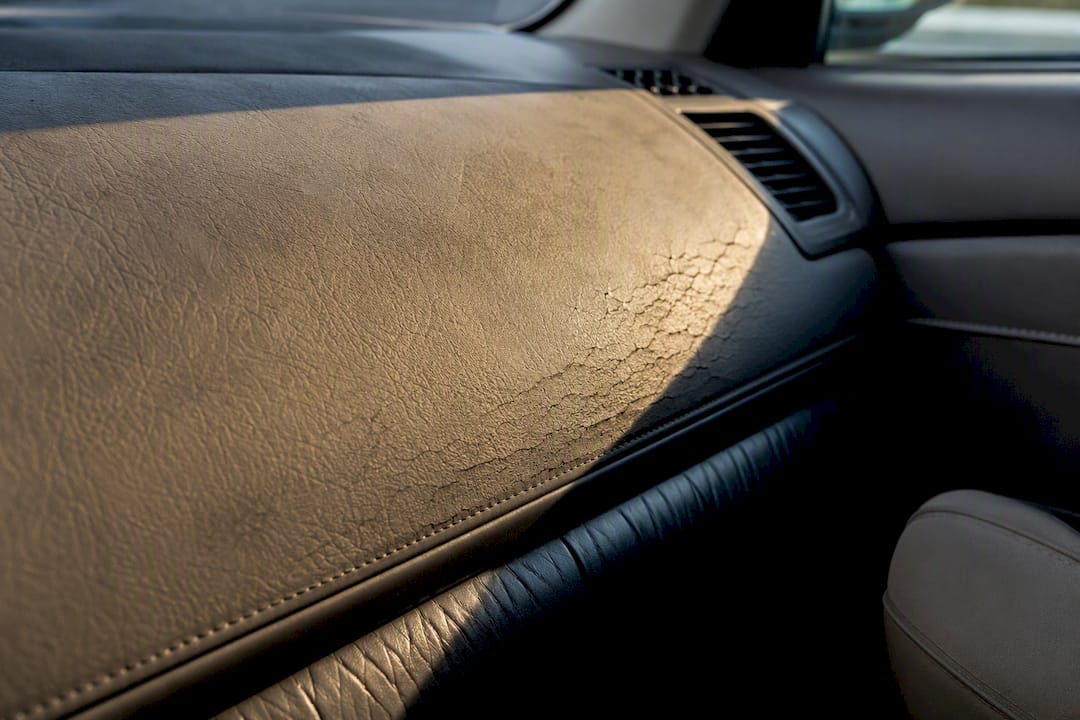
On the other hand, if privacy is genuinely your only concern and your state’s VLT limits leave little room to go darker, layering film may not be worth the legal risk. Some owners find factory privacy glass already meets their needs without touching the darkness ceiling their state allows.
Pro Tip: Ask any installer quoting your job whether they’re recommending ceramic film specifically for its infrared rejection, not just its look. A shop that only talks about shade percentage isn’t giving you the full picture on heat and UV performance.
Your decision checklist before adding film
Walking into a tint shop informed saves you money and legal headaches. Work through this list before you sign off on any installation:
- Define your actual goal. Privacy, cooling, UV protection, and glare reduction call for different film choices.
- Confirm your state’s VLT limits for front, rear, and windshield glass separately.
- Request the net VLT calculation in writing, factoring in your factory glass’s existing tint level.
- Ask for the film’s UV-blocking and infrared-rejection specs, not just its visual darkness rating.
- Get the warranty terms and expected lifespan for the specific film type being installed.
- Verify installer certification and insurance before any work begins.
Walk away from any installer who won’t put VLT numbers in writing, won’t discuss UV or infrared specs, or offers no warranty at all. Those are the shops most likely to leave you with a citation or a film that fails within a year.
How We Advise Customers Weighing Privacy Glass Against Tint
Factory privacy glass gives drivers a convenient, maintenance-free layer of privacy, but it consistently falls short on heat and UV protection compared to what modern ceramic film delivers. We tell customers to inspect their existing glass, run the net VLT math honestly, and if protection is the priority, invest in a reputable film and a certified installer rather than assuming dark glass alone is doing the work.
— Collision Auto Glass & Calibration
Where Collision Auto Glass & Calibration Fits Into Your Tint Decision
Whatever you decide about tint, the glass underneath it has to be sound first. Collision Auto Glass & Calibration inspects existing windows, checks current VLT levels, and works through the net VLT math with you before any film goes on, so you’re never guessing whether a combination will pass inspection.
If your factory privacy glass is cracked, chipped, or due for replacement before tinting, same-day service with free mobile installation across the Portland area means you’re not waiting around. Every installation carries a lifetime no-leak guarantee, and direct insurance billing takes the paperwork off your plate if your glass damage is covered. Vehicles with forward-facing cameras also need ADAS calibration handled correctly after any windshield work, which some auto glass shops perform in-house rather than farming out. If you’re ready to see what glass replacement runs before you commit to tinting decisions, get a free quote and start with a clear picture of your glass, not just your film options.
Sources
- Factory vs. Aftermarket Tint: What’s the Difference | Madico, Inc.
- Factory Privacy Glass: What It Is and What It Doesn’t Do – LegalClarity
- Glass and UV protection explainer — University of Utah Health
FAQ
Is Privacy Glass Better Than Tint?
It depends on your goal. Factory privacy glass is better for permanent, maintenance-free privacy, but aftermarket ceramic film is better for UV protection, heat rejection, and shatter resistance.
Can You Legally Add Tint Over Factory Privacy Glass?
It depends on your state’s VLT limits and how dark your factory glass already is. Multiply your glass’s VLT by your film’s VLT to get the net VLT, then check that number against your state’s minimum before installation.
How Much UV Protection Does Ceramic Film Add Over Factory Glass?
Quality ceramic film can block up to 99% of UV rays, far more than the modest UVA reduction offered by dyed factory privacy glass.
Does Tint Film Make a Car Safer in a Crash?
Yes, in one specific way: the adhesive layer in window film helps hold shattered glass together, reducing the chance of flying shards compared to untreated tempered glass.
How Long Does Aftermarket Tint Last Compared to Factory Privacy Glass?
Factory privacy glass lasts the life of the vehicle since the tint is baked into the glass itself. Aftermarket film varies by type, with ceramic film generally lasting the longest before fading or discoloration sets in.
Recommended
- Laminated Side Glass in Cars: What Every Owner Should Know
- Tempered vs Laminated Glass: Safety Guide for 2026
- OEM vs Aftermarket Windshield: Safety & Cost Guide
🎧 Listen to This Article
Share
Recent Posts
October 15, 2026
Auto Glass Claims: Choose a U.S. Shop Before ADAS Billing Surprises
See how U.S. drivers can choose an auto glass shop for an insurance claim, confirm ADAS calibration, protect their rights, and prevent billing...
October 14, 2026
Fleet Windshield Maintenance: A 20 Minute Repair Can Prevent Days Down
Catch chips early, log the VIN and photos, and require part number and ADAS calibration records to keep fleet vehicles moving and avoid...
October 13, 2026
Calibration After Collision Repair: Ask for Scans Before You Drive
Learn when collision repairs require ADAS calibration, how shops verify the work, and which scan records and paperwork to request before driving....