Auto Glass Repair
Most windshield damage falls under comprehensive coverage, and replacements typically trigger your deductible while repairs sometimes do not. Approved shops can often bill your insurer directly, so your main job is confirming authorization, deductible handling, and whether the shop is in your insurer’s network before work begins. That single conversation determines your real out-of-pocket cost.
TL;DR:
- Repairs generally do not trigger deductibles and may be waived if they qualify, while replacements usually require paying the full comprehensive deductible.
- Confirm insurer authorization in writing before work begins, and ensure the shop understands the approved payment rate and calibration requirements.
- Direct billing by the shop relies on preauthorization and network agreements; out-of-network jobs might lead to balance billing unless pre-approved.
- Collect and keep documentation including estimates, authorization, and invoices to prevent billing disputes and facilitate smooth claims processing.
- Filing a claim makes financial sense mainly when the repair estimate significantly exceeds your deductible, but paying privately may be better if costs are close to or below your deductible.
Table of Contents
- How windshield insurance billing works from start to finish
- Deductibles and waived-deductible rules for repair vs. replacement
- How shops bill insurers: direct billing and out-of-network balances
- Step-by-step: your claim and billing checklist
- When filing a claim beats paying out of pocket
- Consumer rights and state rules that affect shop choice
- How we handle billing and calibration for our customers
- Schedule service with direct insurance billing
- FAQ
- Sources
How windshield insurance billing works from start to finish
Windshield claims move through one of two billing paths. In the first, the repair shop bills your insurer directly and you pay only your deductible, if one applies. In the second, you pay the shop up front and submit the invoice to your insurer for reimbursement.

Your insurer handles the coverage decision: confirming what your policy allows, sometimes sending an adjuster to inspect the damage, and calculating how much it will pay. The shop handles the physical work: writing a detailed estimate, requesting authorization from your insurer before starting, completing the repair or replacement, and then either invoicing you or collecting payment directly from the carrier.
A few documents make this process run smoothly, and it helps to gather them before you call anyone.
- Your policy declarations page, which lists your comprehensive and collision coverage along with deductible amounts
- Your claim number, assigned once you report the damage
- A written estimate from the shop that itemizes parts, labor, and calibration if needed
- Written authorization confirming who pays what, ideally in writing from the insurer
- A final invoice and, when applicable, proof of ADAS calibration
The National Association of Insurance Commissioners outlines this reporting-to-settlement sequence as the standard structure behind most auto claims, regardless of whether the damage is a cracked windshield or a larger collision repair. Our guide to filing a windshield insurance claim walks through the typical details insurers ask for when you first report the damage.
Deductibles and waived-deductible rules for repair vs. replacement
Whether you owe anything out of pocket often comes down to one distinction: are you repairing a chip or replacing the whole windshield? Repairs are usually the cheaper fix, and some carriers waive the deductible entirely for qualifying glass repairs since a quick fix now prevents a costlier replacement later. Replacement, on the other hand, is typically subject to your full comprehensive deductible unless your policy or state law says otherwise.
GEICO’s glass claims guidance notes that insurers sometimes waive deductibles for qualifying repairs while treating replacement as a standard comprehensive claim, meaning the threshold for a waiver often depends on the size and location of the damage.
A few things worth checking before you assume either way:
- Carrier rules vary significantly: GEICO and Progressive both reference repair-size thresholds for waived deductibles, but neither guarantees a $0 deductible in every state
- Some states mandate glass-only deductible waivers regardless of carrier policy
- Your declarations page will state your exact comprehensive deductible, which is the number that matters most
Calling your insurer directly and asking whether your specific policy waives the deductible for repairs, rather than assuming the rule that applied to a friend’s policy applies to yours, saves confusion later. Our breakdown of rock chip repair coverage covers how insurers typically categorize these smaller claims.
How shops bill insurers: direct billing and out-of-network balances
Direct billing sounds simple: the shop handles the paperwork, you skip the upfront payment, and the insurer settles the bill. In practice, a few details decide whether that simplicity holds up.
- Confirm the shop has actual authorization from your insurer before work starts, not just a verbal agreement.
- Ask what rate the insurer has agreed to pay and whether that matches the shop’s estimate.
- Clarify whether the glass will be OEM or aftermarket, since this can affect both price and insurer approval.
- Confirm ADAS calibration is included in the authorized estimate if your vehicle requires it.
- Get the authorization in writing, including who is responsible for any remaining balance.
Assignment-of-benefits agreements let a shop bill your insurer directly on your behalf, but read what you are signing. Some agreements limit your ability to switch shops mid-claim or dispute the insurer’s payment yourself. If the shop is outside your insurer’s preferred network, the insurer may pay only a negotiated rate, leaving you to cover the difference unless you secured preauthorization for the full amount.
Pro Tip: Ask the shop to show you the insurer’s written payment confirmation before any work begins, not after the windshield is already out.
Step-by-step: your claim and billing checklist
A little documentation early on prevents most billing disputes later. Here is the order that keeps things clean:
- Report the damage to your insurer promptly and get a claim number.
- Log the names of any agents or adjusters you speak with, along with dates.
- Request a written estimate from the shop that itemizes glass, labor, and calibration.
- Have the shop confirm authorization with your carrier before starting work.
- Confirm in writing how the deductible will be handled and who gets billed for what.
- Photograph the damage and keep every document: estimate, authorization, and claim correspondence.
- After the work is done, collect the final invoice, proof of calibration if performed, and any insurer payment or denial letter.
Our step-by-step guide to windshield replacement claims covers this process in more detail, including what to do if your insurer requests additional documentation mid-claim.
When filing a claim beats paying out of pocket
The math here is straightforward: compare the shop’s estimate to your deductible. If the estimate is only slightly higher than your deductible, paying privately often makes more sense than opening a claim, since some drivers prefer to avoid any potential effect on renewal terms.
The NAIC’s consumer guidance frames this decision as both contractual and economic: your policy language controls what is covered, but the deductible and your broader claim history shape whether filing actually saves you money.
A few quick checks before deciding:
- Get the written estimate first. You cannot compare costs without it.
- If the estimate is well above your deductible, filing usually makes financial sense.
- When unsure, ask your insurer for a written coverage and deductible decision before authorizing any work.
Our piece on whether filing is worth it for a cracked windshield walks through a few real-world comparisons. For a broader look at repair-versus-replace economics beyond glass, this primer on repair or replace decisions offers useful context.
Consumer rights and state rules that affect shop choice
You generally have more say in shop selection than insurers sometimes suggest. Several states protect that choice directly.
- Oregon’s Division of Financial Regulation prohibits insurers from requiring you to use a specific repair shop, and Florida law similarly restricts insurers from steering glass claimants to a single preferred location.
- Choosing a shop outside your insurer’s network can still create a balance if the insurer only agrees to pay a negotiated rate rather than the full estimate.
- If you disagree with an insurer’s payment calculation, request the decision in writing and contact your state insurance department if the dispute goes unresolved.
Our tips for choosing an auto glass shop cover what to look for beyond just network status.
How we handle billing and calibration for our customers
We bill most insurers directly, so customers usually pay only their deductible, if one applies. Before any appointment, we confirm authorization details and calibration needs with the carrier directly. Our same-day mobile service and lifetime no-leak guarantee mean the paperwork stays simple while the glass work stays backed.
— Collision Auto Glass & Calibration
Schedule service with direct insurance billing
We handle the windshield repair, replacement, and ADAS calibration work this article describes, and we bill most insurers directly so you are not stuck fronting the full cost. We offer free mobile installation in our local service area, and every installation includes a lifetime no-leak guarantee.
When you call, we will walk through a few things together:
- Whether your policy requires a deductible for your specific type of damage
- Whether we can confirm authorization with your insurer before starting
- Whether mobile service fits your schedule, or you would rather come to us
Ready to get your windshield handled? Request a quote for windshield replacement or check current repair pricing to see where your estimate lands against your deductible.
FAQ
Is it worth filing an insurance claim for windshield replacement?
It depends on how your estimate compares to your deductible. If the replacement cost is close to or below your deductible, paying out of pocket is often simpler, but if the gap is wide, filing a claim typically saves more money according to NAIC guidance.
How does insurance pay for a windshield?
Windshield damage is generally covered under your comprehensive coverage, and your insurer either pays the shop directly through direct billing or reimburses you after you pay upfront, as outlined in NAIC consumer resources. The exact arrangement depends on whether your shop is in the insurer’s preferred network.
What does a $1,000 deductible with full glass mean?
A deductible amount with full glass coverage generally means you pay the first portion of a covered claim, including a windshield replacement, before your insurer covers the rest. Some policies waive this deductible specifically for repairs rather than replacements, so it is worth confirming with your carrier how your policy treats each type of damage.
Who is responsible if a rock hits my windshield?
A rock-chipped or cracked windshield from road debris is typically covered under comprehensive coverage, not collision, since it is considered damage from an outside object rather than a crash. You would still be responsible for your deductible unless your policy or state rules waive it for qualifying repairs.
Sources
- GEICO glass claims guide
- What you should know about filing an auto claim
- Repair shops — State of Oregon Division of Financial Regulation
Recommended
- Does Insurance Replace A Windshield For Free?
- Do I Have to Pay a Deductible for Windshield Repairs?
- Windshield Replacement Costs Drivers Should Expect in 2026
- Will My Insurance Go Up If I Claim For A Windshield?
🎧 Listen to This Article
Share
Recent Posts
October 6, 2026
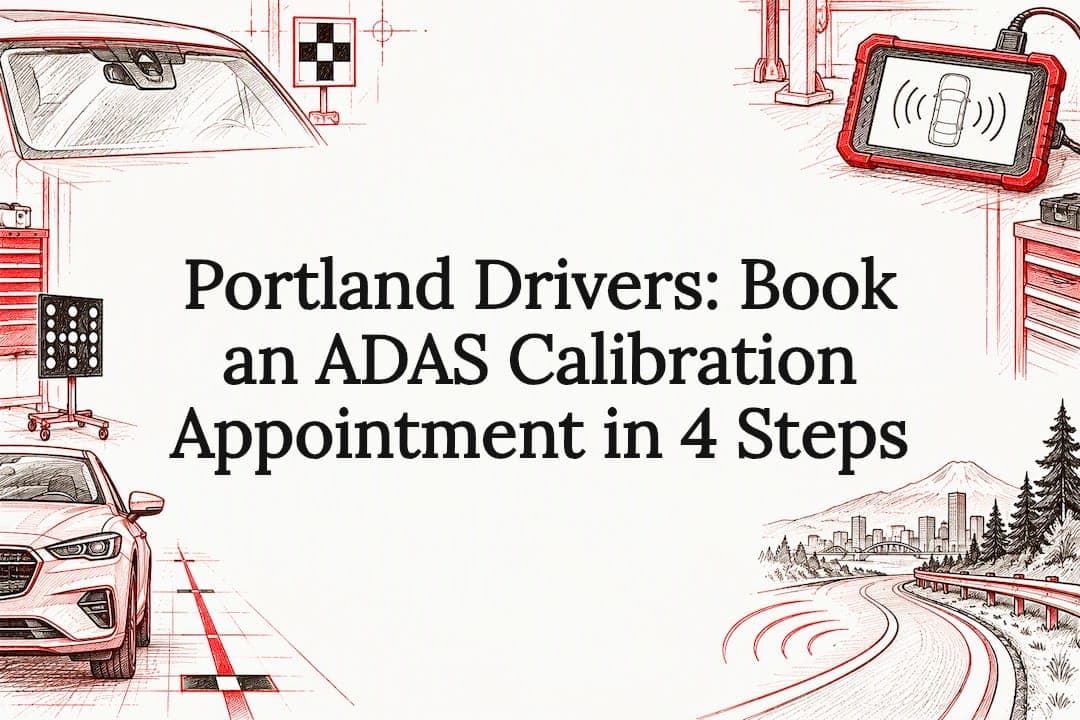
Portland Drivers: Book an ADAS Calibration Appointment in 4 Steps
Portland: schedule ADAS calibration with a 4-step checklist. Have your VIN, ask the right OEM questions, and follow the vehicle-prep list to avoid...
October 5, 2026
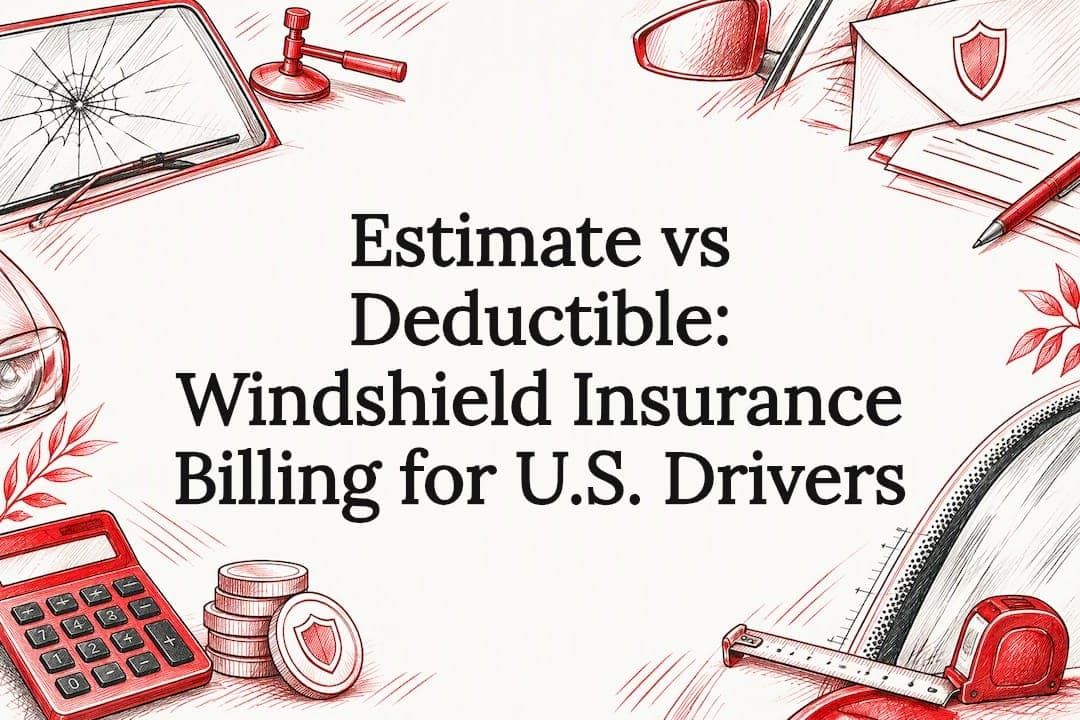
Estimate vs Deductible: Windshield Insurance Billing for U.S. Drivers
Compare your shop estimate to your deductible. Follow a 7 step billing checklist and learn how direct billing avoids surprise balances....

October 4, 2026
US Drivers: Mobile Windshield Checklist, Standards & Local Tips
US checklist for mobile windshield replacement: industry standards and local tips on parking, ADAS calibration, and a 30–60 min drive-away....