
Uncategorized
Windshield crack spreading is defined as the progressive enlargement of a chip or fracture across the glass surface due to mechanical stress, temperature shifts, or moisture infiltration. A small chip that looks harmless on Monday morning can cross the entire windshield within 24 to 48 hours if it sits within 2 inches of the edge. That speed matters because your windshield provides up to 30% of your vehicle’s structural strength in a rollover. Portland drivers face a specific challenge: the region’s wet winters, cold mornings, and sudden temperature swings create near-perfect conditions for cracks to grow fast. Collisionautoglass has served Portland since 2008 and sees this pattern repeat every season.
What causes windshield crack spreading?
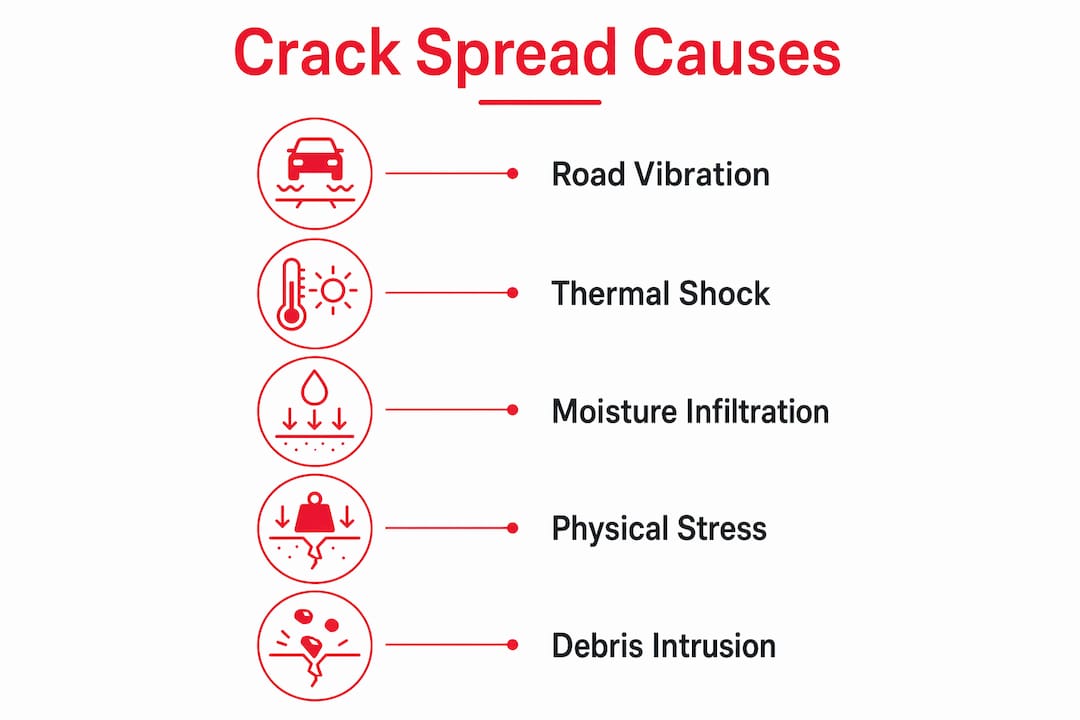
Windshield crack spreading happens when existing damage meets forces the glass cannot absorb. Understanding those forces helps you predict when a crack will stay small and when it will race across the glass.
Road vibration and physical stress
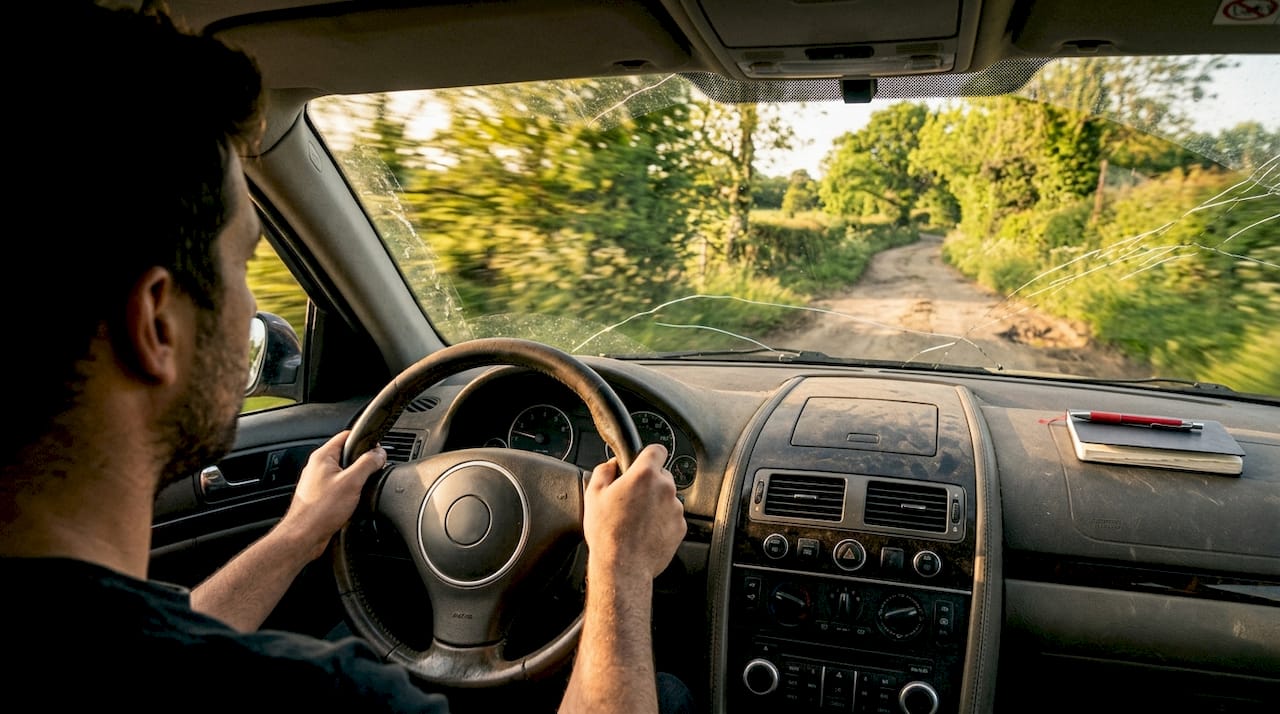
Every bump, pothole, and rough patch on Portland’s roads sends flex through the windshield. Glass is rigid, so repeated flexing concentrates stress at the tip of any existing crack. Slamming a car door creates a pressure wave that travels through the cabin and pushes outward on the glass. That single action can extend a crack by a visible amount. Keeping a window cracked slightly when closing doors relieves that pressure spike.
Thermal shock from temperature changes
Temperature is the most underestimated driver of crack expansion. Windshield surface temperatures can exceed 150°F on a sunny day, and blasting cold air conditioning or a defroster onto that hot glass can extend a crack by 1–3 inches almost instantly. The glass expands when hot and contracts when cold. A crack is a weak point where that movement concentrates, so the two sides of the fracture pull apart under thermal stress. Portland’s rainy winters make this worse: cold rain hitting a warm windshield is a textbook thermal shock scenario.
Stress cracks vs. impact cracks
Not all cracks start from a rock strike. Thermal stress fractures occur without any physical impact, often appearing as long, sweeping lines with no obvious origin point. These are caused by internal glass stress or extreme temperature differentials and are difficult to repair reliably. Impact cracks, by contrast, start at a visible chip or bull’s-eye and spread outward. Knowing the difference matters because stress cracks almost always require full replacement, while small impact chips can often be repaired if caught early.
Moisture and debris infiltration
Water, dirt, and road salt work their way into a crack and weaken the glass from the inside. Moisture in a crack reduces the adhesion of professional repair resin, making any future fix less effective. In Portland’s wet climate, an unsealed crack can absorb water overnight. That water expands slightly when temperatures drop, widening the fracture further. Debris acts as an abrasive, grinding the crack edges and making a clean resin bond harder to achieve.
Pro Tip: Cover a fresh crack with clear packing tape immediately after it appears. This keeps moisture and dirt out until you can get to a professional.
How to slow or stop a crack from getting bigger
Slowing crack growth is about removing the forces that drive it. These steps buy you time without making the damage worse.
-
Clean and dry the crack carefully. Use a soft, lint-free cloth to blot any moisture from the damaged area. Do not spray water directly onto the crack. Debris inside the fracture accelerates spreading and ruins resin adhesion later.
-
Apply clear packing tape over the crack. Tape is not a repair, but it seals the crack against moisture and dirt. Use only clear tape so the technician can assess the damage without removing it first. Avoid colored or opaque tapes.
-
Avoid sudden climate changes inside the car. Do not blast the defroster or air conditioning directly at the windshield. Set the fan to low and let the interior temperature change gradually. This reduces thermal stress on the glass.
-
Close doors gently. Pressure waves from door closing extend existing cracks. Crack a window slightly before closing any door to equalize cabin pressure.
-
Park in shade or a covered garage. Direct sun heats the windshield rapidly. Shade reduces the temperature differential between the glass surface and the ambient air, slowing thermal expansion.
-
Avoid rough roads when possible. Road vibration flexes the glass repeatedly. Take smoother routes until the crack is repaired, even if it adds a few minutes to your commute.
Pro Tip: If you park outside in Portland during winter, place a windshield sunshade or a folded blanket against the inside of the glass on cold nights. It slows the temperature drop and reduces overnight crack expansion.
When can a crack be repaired vs. when does it need replacement?
The repair-or-replace decision depends on crack size, location, and type. Getting this wrong costs money in both directions: unnecessary replacements are expensive, and attempting to repair damage that is too severe leaves you with a structurally compromised windshield.
The industry standard holds that chips smaller than a quarter and cracks shorter than a dollar bill are generally repairable. More specifically, chips up to 1 inch in diameter and cracks up to 3 inches in length fall within the repairable range for most professional shops. Anything beyond those limits typically requires full replacement.
Location matters as much as size. Cracks in the driver’s direct line of sight distort vision even after repair and usually trigger a replacement recommendation. Cracks within 2 inches of the windshield edge are under the highest structural stress and often require replacement regardless of their length, because the perimeter is where the windshield bonds to the vehicle frame.
| Damage type | Repair possible? | Key condition |
|---|---|---|
| Rock chip under 1 inch | Yes | No moisture or dirt contamination |
| Crack under 3 inches | Yes | Not in driver’s line of sight |
| Edge crack within 2 inches of perimeter | Rarely | Usually requires replacement |
| Stress crack (no impact point) | Rarely | Underlying glass stress makes repair unreliable |
| Crack over 6 inches | No | Full replacement required |
Vehicles equipped with Advanced Driver Assistance Systems (ADAS) add another layer of complexity. Cameras and sensors mounted near or behind the windshield require recalibration after replacement. Skipping calibration after a windshield swap can disable lane-keeping assist, automatic emergency braking, and adaptive cruise control. Collisionautoglass performs in-house ADAS calibration, which means Portland drivers do not need a separate appointment at a dealership.
You can learn more about when repair is sufficient and when replacement is the only safe option by reviewing Collisionautoglass’s detailed breakdown of the decision criteria.
DIY fixes: what actually works and what causes more damage
Temporary DIY measures have a narrow, specific role: keeping a crack stable until a professional can address it. They are not repairs. Treating them as permanent solutions creates bigger problems.
What works as a short-term measure:
- Clear packing tape applied over the crack seals out moisture and debris without contaminating the glass.
- Gentle cleaning with a dry, soft cloth removes surface dirt before taping.
- Parking in shade and avoiding temperature extremes reduces crack stress without touching the glass at all.
What causes serious damage:
- Super glue and nail polish are the two most common DIY mistakes. Applying super glue or nail polish to a crack permanently contaminates the fracture channel. Professional resin injection requires a clean, unobstructed crack. Once glue or nail polish fills that space, resin cannot bond properly, and the windshield typically needs full replacement instead of a simple repair.
- Over-the-counter resin kits are available at auto parts stores, but DIY resin kits do not restore structural integrity. They may fill the visual gap, but the bond strength falls well short of professional-grade repair. A crack treated with a consumer kit can still spread and can still fail in a collision.
- Ignoring the crack entirely is the most expensive choice. Windshield repair is structural, not cosmetic, and waiting increases both crack growth and safety risk.
If the crack is in your direct line of sight, longer than 3 inches, or spreading visibly between trips, stop driving and call a professional. The risks of driving with a cracked windshield go beyond visibility: a compromised windshield can fail to support the roof in a rollover or fail to deploy an airbag correctly.
Key Takeaways
A crack that sits within 2 inches of the windshield edge can spread across the entire glass within 24 to 48 hours, making same-day professional attention the only reliable way to protect both safety and repair eligibility.
| Point | Details |
|---|---|
| Edge cracks spread fastest | Cracks within 2 inches of the perimeter can cross the full windshield in 1–2 days. |
| Temperature is the top accelerant | Sudden defroster or A/C use can extend a crack by 1–3 inches almost instantly. |
| Repair window is narrow | Chips under 1 inch and cracks under 3 inches are repairable; larger damage requires replacement. |
| DIY contamination is permanent | Super glue and nail polish block professional resin, often forcing full replacement. |
| ADAS vehicles need calibration | Windshield replacement on sensor-equipped cars requires recalibration to restore safety systems. |
What I’ve learned watching cracks spread in real time
I’ve watched car owners in Portland make the same calculation dozens of times: the crack is small, the weather looks fine, and the repair can wait until the weekend. Then Thursday brings a cold rain after a warm afternoon, and what was a 2-inch crack is now a 14-inch fracture running straight through the driver’s field of view.
The thing that surprises most people is how little it takes to trigger rapid growth. A single door slam. One defroster blast on a cold morning. A speed bump taken at normal speed. None of those feel like significant events, but each one adds stress to a glass structure that is already compromised at the crack tip.
What I find most underappreciated is the contamination risk. People reach for nail polish or super glue because they want to do something. The instinct is right. The material is wrong. Once that crack channel is contaminated, the repair option disappears. A $75 chip repair becomes a $400 replacement, sometimes more on vehicles with ADAS. The tape-and-shade approach costs nothing and keeps every professional option open.
My honest advice: treat a windshield crack the way you would treat a warning light on your dashboard. You would not drive for two weeks ignoring an oil pressure warning. A spreading crack deserves the same urgency, because the structural consequences of failure are just as serious.
— Matt
Windshield repair and replacement in Portland with Collisionautoglass
Portland drivers deal with gravel roads, temperature swings, and heavy rain that make windshield damage a regular reality. Collisionautoglass has handled that reality since 2008, offering same-day service and free mobile installation across the Portland area.

Every installation comes with a lifetime no-leak guarantee. Collisionautoglass handles direct insurance billing, so you do not need to manage paperwork between your insurer and the shop. For vehicles with ADAS, in-house calibration is available without a separate dealership visit. If you have questions about whether your damage qualifies for repair or requires replacement, the auto glass repair FAQ covers the most common scenarios in plain language. When the crack is growing and you need answers fast, Collisionautoglass is the call to make.
FAQ
How fast does a windshield crack spread?
Cracks near the windshield edge can cross the entire glass in 24 to 48 hours. Stress cracks in the center can grow 6–12 inches per day under the right conditions.
What makes a windshield crack spread quickly?
Thermal shock from sudden temperature changes, door-slam pressure waves, road vibration, and moisture infiltration all accelerate crack growth. Cracks within 2 inches of the perimeter spread fastest due to structural stress at the glass edge.
Can I use nail polish to stop a crack from spreading?
No. Nail polish and super glue contaminate the crack channel and prevent professional resin injection. Using them typically converts a repairable chip into a situation requiring full windshield replacement.
How do I know if my crack needs repair or full replacement?
Chips under 1 inch and cracks under 3 inches are generally repairable. Edge cracks, stress cracks, and any damage in the driver’s direct line of sight usually require full windshield replacement.
Does windshield replacement affect my ADAS systems?
Yes. Cameras and sensors mounted near the windshield require recalibration after replacement. Skipping this step can disable lane-keeping assist, automatic emergency braking, and other safety features that depend on accurate sensor alignment.
Recommended
- How to Avoid Windshield Damage – Collision Auto Glass
- The Hazards of Driving With a Cracked Windshield – Collision Auto Glass & Calibration
- Why You Shouldn’t Delay Getting Windshield Repair or Replacement – Collision Auto Glass & Calibration
- How to Temporarily Fix a Crack in Portland, OR – Collision Auto Glass & Calibration
Share
Recent Posts
September 25, 2026
8 Steps: Safe Tempered Glass Cleanup for Drivers, When to Call a Pro
Follow OSHA backed, driver focused steps to clear shattered tempered glass safely. Covers protective gear, tape and vacuum timing, disposal, door cavity…...

September 24, 2026
15 Minute Fix for Portland Drivers: Clear Windshield Water Spots
Clear most windshield water spots with a 1:3 vinegar to distilled water mix and a microfiber towel. Follow safe DIY steps and learn...
September 23, 2026
Installer Backed 60–90 Minute Rule: Rain After Windshield Replacement
Installer backed timeline and technician rules for rain after a windshield replacement. Learn the 60–90 minute rule, when to skip wipers or washes,...