
Auto Glass Repair
Yes — if your Toyota has a forward-facing Safety Sense camera behind the windshield, replacing that glass usually triggers a required ADAS recalibration. This applies to most Toyota models built in the last decade, from the Camry to the RAV4 to the Tacoma. Skipping it doesn’t just void a warranty conversation; it can leave safety systems misreading the road.
Before you approve any repair, run through three checks. First, confirm your vehicle has a forward-facing camera and identify which Toyota Safety Sense generation it runs. Second, insist on OEM-spec glass with the correct camera bracket, not a generic aftermarket pane. Third, ask the shop whether they’ll use Toyota Techstream or an OEM-equivalent scan tool, and whether they’ll hand you a calibration report afterward.
Quick expectation check: Calibration typically adds some time to your appointment and can cost an additional fee depending on your model and whether static, dynamic, or both procedures are required.
- Confirm camera presence and TSS generation before booking
- Require OEM-spec glass with the correct bracket
- Get a printed calibration report, not a verbal “it’s done”
Shops like Collision Auto Glass & Calibration handle this documentation as standard practice, which matters more than most owners realize until something goes wrong.
Key Takeaways
Toyota windshield calibration is not optional cosmetic work; it’s a manufacturer-specified safety step that restores your camera’s ability to read the road accurately.
| Point | Details |
|---|---|
| Calibration is usually required | Most Toyotas with a forward-facing Safety Sense camera need recalibration after windshield replacement. |
| TSS generation changes the procedure | TSS 2.0/2.5 often need static-only calibration; TSS 3.0 frequently needs static, dynamic, and radar re-aim. |
| Budget time and money | Expect $150 to $400 and 30 to 90 minutes added to your appointment for calibration alone. |
| Skip DIY entirely | Techstream, target boards, and controlled environments aren’t available to owners at home. |
| Collision Auto Glass & Calibration handles it in one visit | In-house Techstream calibration, a printed report, and direct insurance billing come standard. |
Table of Contents
- Why Toyota Windshield Calibration Matters After Glass Replacement
- Which Toyota Models Need Static, Dynamic, or Both?
- How Does Toyota ADAS Calibration Actually Work?
- What Does Windshield Replacement and Calibration Cost?
- Can You Calibrate a Toyota Windshield Yourself?
- What to Ask Before You Book a Toyota Windshield Calibration
- How Collision Auto Glass & Calibration Documents Every Calibration
- What Owners Get Wrong About Toyota Windshield Calibration
- Get Your Windshield Replaced and Calibrated in One Appointment
- Sources
- FAQ
Why Toyota Windshield Calibration Matters After Glass Replacement
Your Toyota’s forward-facing camera doesn’t just sit behind the windshield. It depends on that glass being installed at an exact angle, with specific optical clarity, so the camera’s field of view matches what Toyota’s engineers calibrated at the factory. Pull the windshield and you disturb that relationship, even if the new glass looks identical to the old one.
Small errors compound fast. A camera bracket seated a millimeter off, or glass with slightly different light transmissivity, can throw off distance calculations the camera feeds to your safety systems. Toyota’s own guidance is blunt about the stakes.
Failure to properly calibrate after windshield replacement can lead to malfunctions in the Pre-Collision System, Lane Departure Alert, and Dynamic Radar Cruise Control.
The visible consequences usually show up as one of these:
- Pre-Collision System braking late, early, or not engaging at all
- Lane Departure Alert drifting silent on clearly marked roads
- Dynamic Radar Cruise Control losing the vehicle ahead in traffic
- Road Sign Assist misreading or ignoring posted signs
- Amber warning lights on the dash that won’t clear on their own
Toyota’s repair manual guidance also flags a subtler risk: glass that isn’t Toyota-genuine can carry different optical properties or lack the mounting bracket the camera needs, which is why parts selection matters as much as the calibration step itself. Even a clean, scratch-free windshield needs to stay genuinely clear for the camera to trust what it sees, which is one reason routine glass care (like properly removing water spots rather than scrubbing with abrasives) matters beyond just appearance.
Which Toyota Models Need Static, Dynamic, or Both?
Not every calibration event looks the same, and not every Toyota needs the same procedure. Several situations trigger the requirement beyond a straightforward windshield swap:
- Windshield removal or replacement
- Camera disconnection or reinstallation during other repairs
- Wheel alignment work
- Bumper or grille removal (relevant on radar-equipped trims)
- Suspension height changes
- Stored fault codes after a battery disconnect
Your Safety Sense generation determines how much work that calibration involves. Toyota Safety Sense (TSS) 2.0 and 2.5 vehicles, common across model years from roughly 2018 through 2022, often need only a static calibration using a target board and level surface. TSS 3.0, standard on newer Toyotas including recent Tundra, Sienna, and Crown models, typically demands both static and dynamic calibration, and sometimes a separate radar re-aim behind the front emblem.
That said, generation alone isn’t a perfect predictor. TSS 3.0’s heavier reliance on vision processing means calibration accuracy carries higher stakes on these newer trims, and requirements can vary by specific model and trim package. The only reliable way to know for certain is a VIN lookup through Toyota’s Technical Information System, or simply asking your shop to confirm the exact steps and print them before work begins.
How Does Toyota ADAS Calibration Actually Work?
A legitimate calibration appointment follows a defined sequence, not guesswork. Here’s what it looks like in practice:
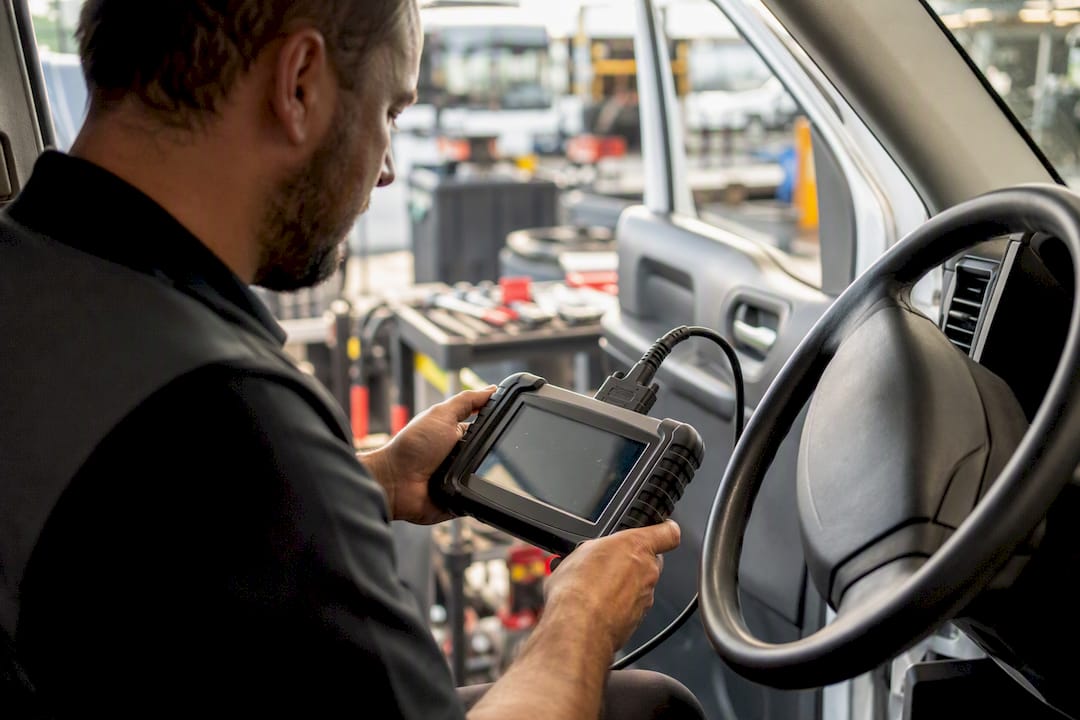
- Pre-scan for fault codes. The technician connects Techstream to check for existing errors before touching the glass.
- Static calibration setup. The vehicle sits on a level surface, aligned to a centerline, facing a printed target board positioned at model-specific distances and heights. Techstream runs the optical axis learning sequence while the camera reads the target.
- Dynamic calibration, if required. The technician drives the vehicle at set speeds on a road with clear, consistent lane markings, letting the camera self-learn against real-world references. Many newer models require this step in addition to static calibration, not instead of it.
- Radar re-aim on TSS 3.0 grille-mounted systems. Because disturbing the front emblem or grille shifts the radar unit’s alignment, this needs independent re-aim tooling separate from camera calibration.
- Post-calibration verification. A final scan checks that fault codes are clear, followed by a road test confirming Lane Departure Alert, Dynamic Radar Cruise Control, and Pre-Collision System all behave normally.
Pro Tip: Ask your shop to show you the pre-scan and post-scan printouts side by side. A shop with nothing to show wasn’t running the full procedure.
You can see the technical side of this process in more depth on our windshield camera calibration page.
What Does Windshield Replacement and Calibration Cost?
Budget for two line items, not one: the glass, and the calibration. Windshield replacement cost alone varies with model and glass type, but the calibration add-on tends to land in a fairly predictable range.
- Calibration typically adds $150 to $400, depending on whether your Toyota needs static only, static plus dynamic, or an added radar re-aim step
- Glass installation itself generally runs 45 to 90 minutes
- Urethane adhesive needs a cure window, often 30 to 60 minutes or longer, before the vehicle is safe to drive
- Calibration adds another 30 to 90 minutes, plus time for the verification road test
Put together, a Camry-style windshield replacement with Safety Sense calibration often takes roughly two to two and a half hours from drop-off to drive-away.
Most auto insurance policies that cover comprehensive claims also cover ADAS calibration as part of the windshield replacement, since it’s treated as a required step rather than an upgrade. Ask your shop for an itemized invoice that separates glass and calibration charges. Our ADAS calibration cost breakdown walks through local pricing factors in more detail.
Can You Calibrate a Toyota Windshield Yourself?
No, not with any reliability. Toyota’s own repair procedures call for Techstream, precise target board placement measured in millimeters, and a controlled, level environment most driveways can’t replicate. A DIY attempt isn’t just difficult, it’s likely to produce a calibration that looks complete but isn’t accurate.
Aftermarket glass compounds the risk. Some panes ship without the camera’s mounting bracket entirely. Others use ceramic frit patterns or tinting that subtly change what the camera sees, even after calibration technically “completes.”
Aftermarket windshields with the wrong bracket or altered optical properties can sometimes still pass a calibration attempt but may permanently limit how well the camera performs.
The scariest part: a misaligned system usually won’t throw a warning light. It just quietly brakes late, drifts off lane center, or misjudges following distance, until the moment it matters.
- Techstream and target boards aren’t sold for home use
- Missing brackets or wrong glass specs can silently degrade performance
- Insurers may dispute claims tied to unverified calibration work
What to Ask Before You Book a Toyota Windshield Calibration
Walk into any shop with this list, whether you’re calling ahead or standing at the counter:
- Does my Toyota have a forward-facing camera, and which TSS generation does it use?
- Will you install OEM-spec glass with the correct camera bracket?
- Does my vehicle need static calibration, dynamic calibration, or both?
- Will you use Techstream or a verified OEM-equivalent tool?
- Can I get a printed or emailed calibration report and confirmation of a post-repair road test?
At pickup, check that dashboard warning lights are clear, ask to see the calibration report, and confirm the technician actually drove the vehicle to verify system behavior, not just ran a static test in the bay.
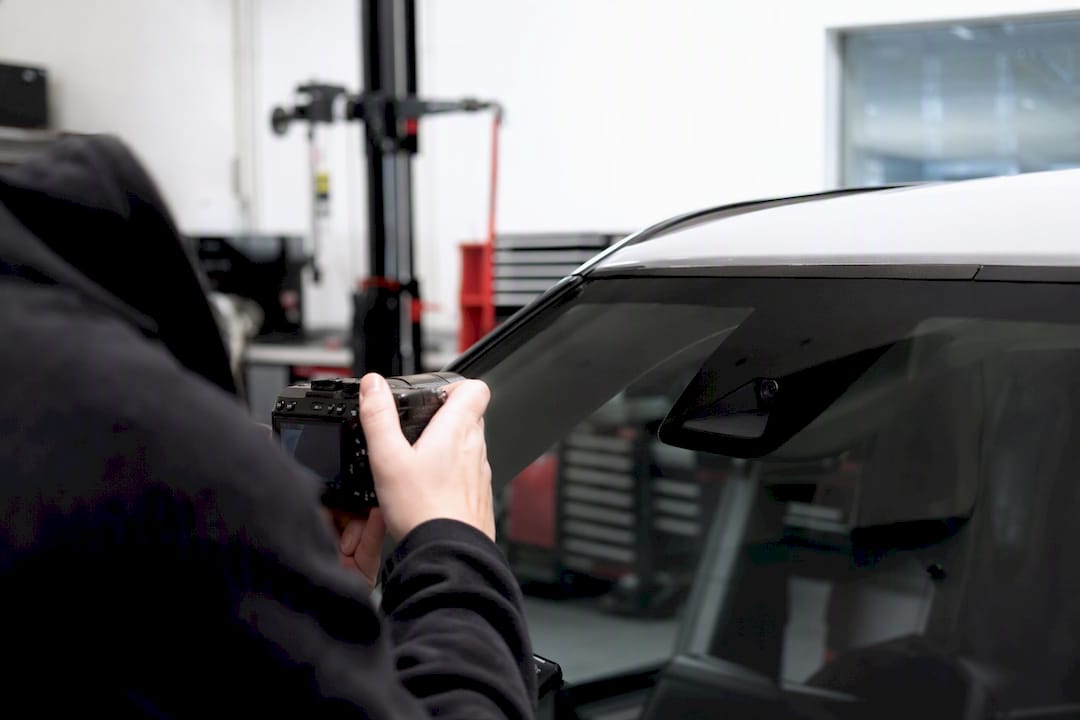
Pro Tip: Snap a photo of your camera and windshield area before the appointment. If a dispute ever comes up with your insurer, that photo plus the shop’s calibration report makes your case for you. For a fuller pre-appointment walkthrough, see what to know before calibration.
How Collision Auto Glass & Calibration Documents Every Calibration
Collision Auto Glass & Calibration has handled Portland-area windshield replacement and ADAS calibration as a family-owned shop since 2008, and the documentation habit isn’t an afterthought, it’s built into every appointment.
- Same-day mobile service brought to you within the Portland area, at no extra charge
- In-house ADAS calibration using Techstream-based procedures, not outsourced to a third party
- A lifetime no-leak guarantee on every windshield installation
- Direct insurance billing, so you’re not stuck chasing reimbursement paperwork
- A printed calibration report and road-test confirmation handed to you at pickup
One appointment covers the glass, the calibration, and the paperwork your insurer might ask for later. That combination is rarer than it should be in this industry.
What Owners Get Wrong About Toyota Windshield Calibration
The most common mistake isn’t skipping calibration outright, most owners now know that’s required. It’s treating calibration as a box to check rather than a procedure to verify. Plenty of shops will tell you calibration is “included” without ever showing you a report, a pre and post fault-code scan, or evidence of an actual road test. That gap between claiming calibration happened and proving it happened is where most disputes with insurers start.
The other blind spot is glass selection. Owners focus on getting the windshield replaced quickly and treat the glass itself as interchangeable. It isn’t. Genuine or OEM-equivalent glass with the correct bracket and optical properties is the foundation calibration depends on; get that wrong, and no amount of careful calibration work fully compensates.
If there’s one thing worth prioritizing above cost or speed, it’s documentation. A shop that hands you a calibration report without being asked is telling you something about how they operate. A shop that hesitates when you ask for one is telling you something too.
— Collision Auto Glass & Calibration
Get Your Windshield Replaced and Calibrated in One Appointment
Most shops treat glass replacement and ADAS calibration as two separate problems, sending you elsewhere for the calibration step or outsourcing it to a third party you never meet. Collision Auto Glass & Calibration handles both in-house, in one appointment, with Techstream-based procedures and a printed calibration report you actually keep.
That matters most for Toyota owners, since Safety Sense’s static and dynamic requirements depend on precise setup you can’t verify from the waiting room. Add free mobile service within the Portland area, a lifetime no-leak guarantee, and direct insurance billing, and the whole process becomes one call instead of three. If your Toyota needs a new windshield, start with our windshield replacement services page to see availability and request a same-day quote.
Sources
Model-specific procedures can shift by trim and model year, so it’s worth confirming details directly when anything seems uncertain:
- Toyota Post-Repair Initialization and Calibration Requirements (repair manual extract)
- Static vs dynamic ADAS calibration: a deep dive
- Toyota repair manual guidance (windshield and calibration notes)
FAQ
How Much Should Toyota Windshield Calibration Cost?
Expect $150 to $400 for the calibration portion alone, on top of glass replacement costs, depending on whether your Toyota needs static-only, static plus dynamic, or an added radar re-aim step.
Does Toyota Recalibrate ADAS If the Windshield Isn’t OEM?
Toyota’s guidance recommends genuine or OEM-equivalent glass because non-genuine windshields can lack the camera bracket or have different optical properties that interfere with calibration, so results with aftermarket glass are less predictable.
Do I Really Need to Recalibrate My Windshield?
Yes, if your Toyota has a forward-facing Safety Sense camera. Skipping calibration risks malfunctioning Pre-Collision System, Lane Departure Alert, and Dynamic Radar Cruise Control without any warning light to flag the problem.
Can I Calibrate My Windshield Myself?
No. Toyota’s procedures require Techstream, precise target board placement, and a controlled, level environment that isn’t available outside a professional shop.
How Long Does Toyota Windshield Calibration Take?
Calibration itself typically takes 30 to 90 minutes, and the full appointment including glass installation and adhesive cure time often runs about two to two and a half hours.
Recommended
- Calibration After Windshield Replacement: What You Must Know
- Need a New Windshield? Don’t Forget Calibration – Collision Auto Glass & Calibration
- Windshield Camera Calibration: Portland’s 2025 Guide
- Do I Need To Recalibrate My ADAS If I Replace My Windshield? – Collision Auto Glass & Calibration
🎧 Listen to This Article

Share
Recent Posts

October 15, 2026
Auto Glass Claims: Choose a U.S. Shop Before ADAS Billing Surprises
See how U.S. drivers can choose an auto glass shop for an insurance claim, confirm ADAS calibration, protect their rights, and prevent billing...
October 14, 2026
Fleet Windshield Maintenance: A 20 Minute Repair Can Prevent Days Down
Catch chips early, log the VIN and photos, and require part number and ADAS calibration records to keep fleet vehicles moving and avoid...
October 13, 2026
Calibration After Collision Repair: Ask for Scans Before You Drive
Learn when collision repairs require ADAS calibration, how shops verify the work, and which scan records and paperwork to request before driving....