
Auto Glass Repair
To schedule mobile glass for your fleet, call or request a fleet quote online to arrange same-day on-site repair or replacement, with documented ADAS scans and an invoice formatted for your maintenance records. A technician evaluates each vehicle, performs the repair or replacement, and completes any required calibration before handing you paperwork you can file directly. This process can be managed by a direct, in-house provider, which keeps the workflow simple for fleet managers juggling multiple vehicles.
TL;DR:
- Mobile fleet glass services can usually be scheduled for same-day repairs or replacements, with some jobs, especially those requiring ADAS calibration, taking slightly longer.
- Fleet accounts streamline booking by allowing multiple vehicles to be scheduled in a single visit, often at the same yard, reducing technician trips and downtime.
- Documented ADAS calibration reports are necessary after windshield replacements on vehicles with driver-assist sensors to ensure safety systems function correctly post-repair.
- Costs vary depending on damage extent and calibration needs, with windshield replacements typically ranging from $200 to $500 and repairs taking under an hour without calibration.
- Proper preparation and documentation, including repair and calibration reports, are essential for compliance, insurance, and safety validation for fleet maintenance records.
Table of Contents
- How to schedule mobile glass service for fleets
- What mobile fleet glass technicians do on-site
- Compliance, records, and fleet maintenance policies
- Cost, downtime, and service level expectations for fleets
- How to prepare vehicles and drivers for a mobile glass visit
- Why documented ADAS scans matter after windshield replacement
- A note from Collision Auto Glass & Calibration
- Schedule your fleet’s mobile glass service
- Sources
- FAQ
How to schedule mobile glass service for fleets
Scheduling starts with a request, either by phone or through an online fleet quote form. Before you call, gather a short list of details so the technician can prepare correctly:
- Vehicle IDs or unit numbers for each affected vehicle.
- VINs, since glass and calibration specs vary by trim and model year.
- Site location and parking or access notes for each vehicle.
- Priority order if some vehicles need to stay in rotation sooner than others.
Fleet accounts help here because they let you request service for several vehicles under one point of contact instead of booking each job separately. Multi-vehicle jobs are usually scheduled as a single visit when vehicles are parked at the same yard or lot, which cuts down on repeat technician trips.
Same-day service is common for rock-chip repairs and standard windshield replacements, though full replacements that also require ADAS calibration sometimes need a slightly longer window depending on the vehicle and the calibration method involved. When you’re booking several vehicles at once, ask about staggered arrival times so drivers aren’t all waiting at once, and confirm which jobs are simple repairs versus full replacements up front. That distinction affects both the appointment length and the paperwork you’ll receive afterward.
What mobile fleet glass technicians do on-site
A mobile technician’s scope depends on the type and severity of the damage. Common jobs include:
- Rock-chip repair for small chips that haven’t spread into a crack.
- Crack repair for damage under the length where FMCSA crack-measurement guidance treats the glass as needing replacement rather than repair.
- Full windshield replacement when cracks exceed that threshold or damage sits in the driver’s direct line of sight.
- Side and back window replacement for broken or shattered glass on vans, trucks, and RVs.
Any windshield replacement on a vehicle equipped with driver-assist cameras or sensors typically requires an ADAS scan and recalibration afterward, since the camera’s position relative to the road can shift even with careful installation. Calibration performed during the same visit that replaces the glass can also confirm the sensors are reading correctly again, rather than sending the vehicle elsewhere.
Pro Tip: Ask your technician for both the repair report and the calibration report before they leave. Fleet files that separate the two make insurance audits and internal maintenance reviews faster.

Compliance, records, and fleet maintenance policies
Fleet glass work isn’t just a repair job. It’s part of your compliance record. FMCSA’s Part 396 rules require motor carriers to inspect, repair, and maintain vehicles, and to retain records of that work.
Periodic inspections under Part 396 must happen at least every 12 months, with reports kept on file, a rule that applies directly to how you store fleet inspection and maintenance records.
Documentation matters just as much for ADAS work, since a calibration report proves the safety system was validated after the glass job, not just replaced and assumed to work. After a mobile visit, your file should include:
- A repair or replacement report describing the work performed.
- A calibration report, when ADAS recalibration was required.
- A list of parts used, including glass type and adhesive.
- An invoice formatted for fleet accounting or insurance submission.
Keeping these together protects you if a safety system’s performance is ever questioned after an incident.
Cost, downtime, and service level expectations for fleets
Pricing for fleet glass work shifts based on a few factors: the type of glass, whether ADAS calibration is required, the vehicle’s class, and whether the job is scheduled or urgent. A basic rock-chip repair costs far less than a full windshield replacement, and adding calibration extends both the price and the time on site.
For reference, a standalone windshield repair runs $90, while a full windshield replacement typically falls between $200 and $500 depending on the vehicle and glass type.
Rock-chip repairs are usually quick, often under an hour, while full replacements paired with calibration take longer since the sensors need to be checked and adjusted after the glass is set. Fleets manage downtime a few practical ways:
- Staggering repairs across the week instead of pulling every vehicle at once.
- Using mobile units so vehicles don’t need to travel to a shop.
- Staging vehicles in one lot so a single technician visit covers several jobs.
Planning around these patterns keeps vehicles earning instead of sitting idle.
How to prepare vehicles and drivers for a mobile glass visit
A little preparation makes the visit faster and safer for everyone involved.
- Confirm parking and access so the mobile unit can park close to each vehicle without blocking traffic.
- Have keys and a driver or dispatcher available in case the vehicle needs to be moved or started during the job.
- Clear the dashboard and windshield area of loose items, since technicians need clean access to the glass and mounting points.
- Flag any high-value or specialized vehicles ahead of time so the technician can plan extra security or handling steps.
Small details like these keep a mobile visit close to its estimated timeframe. For larger vehicles, box truck scheduling guidance covers additional access and staging considerations worth reviewing before the appointment.
Why documented ADAS scans matter after windshield replacement
Replacing a windshield on a vehicle with driver-assist features isn’t just a glass job anymore. SAE research on aftermarket ADAS work has flagged calibration as necessary to preserve system function after a repair, along with the documentation to prove it happened.
Sensor recalibration and ADAS functional validation and documentation after repair are necessary to preserve safety and reduce liability.
That point comes from SAE’s report on aftermarket ADAS sensor calibration, and it lines up with what SAE’s coverage of windshield replacement calibration has noted about OEM calibration targets varying widely across vehicle makes. A few practical points follow from that:
- Calibration confirms the camera or sensor is reading the road correctly after the glass is reset.
- A written calibration report becomes part of the vehicle’s safety record, not just a receipt.
- Newer connected vehicles are starting to use telematics and over-the-air updates to support ADAS validation, though shops still need to retain proof of post-repair checks.
Ask for the calibration report every time. It’s the one document that shows the system was actually tested, not just reinstalled.
A note from Collision Auto Glass & Calibration
Fleet jobs come with their own rhythm: several vehicles, tight schedules, and paperwork that has to match what your insurer or your own maintenance system expects. We coordinate multi-vehicle visits so a technician can move between units at one lot rather than scheduling separate trips, and same-day mobile installation keeps vehicles out of the shop and back on the road faster.
ADAS calibration means the glass and the sensor check happen in the same visit, backed by a lifetime no-leak guarantee. Expect a repair report, a calibration report when relevant, and an invoice ready for your books or your insurer.
— Collision Auto Glass & Calibration
Schedule your fleet’s mobile glass service
Getting your fleet back on the road starts with a quote, either by phone or through our online fleet request form. Direct insurance billing means less back-and-forth for you, and free mobile installation within our Portland service area keeps vehicles at their own lot instead of a shop bay.
Different jobs point to different service pages:
- Windshield repair for chips and small cracks.
- ADAS calibration for any windshield job involving driver-assist sensors.
- Side window replacement and back window replacement for broken glass elsewhere on the vehicle.
Request your fleet quote at our quote page, and ask for a documented ADAS scan and a fleet-ready invoice with every job.
Sources
For your own recordkeeping and compliance review, these sources back the standards referenced above:
- Unsettled Issues on Sensor Calibration for Automotive Aftermarket Advanced Driver-Assistance Systems (EPR2021008)
- Definition of ¼” windshield crack — FMCSA
- ADAS windshield replacement calibration — SAE News
FAQ
Is $500 a lot for a new windshield?
A full windshield replacement typically costs between $200 and $500, so $500 tends to sit at the higher end for vehicles with more complex glass or ADAS features. Cost depends heavily on glass type, vehicle class, and whether calibration is required.
How long does mobile glass repair take?
A simple rock-chip repair is often finished in under an hour, while a full replacement that includes ADAS calibration takes longer since the sensors need to be checked and adjusted afterward. Actual time depends on the vehicle and the calibration method used.
Do mobile glass services give you a timeslot?
Yes, most mobile providers schedule an appointment window rather than an exact minute, since travel time and job length vary by vehicle. Fleet accounts can often request staggered arrival times when several vehicles are being serviced at once.
Do I need ADAS calibration after every windshield replacement?
Not every vehicle needs it, but any windshield with a built-in camera or sensor for driver-assist features generally does. SAE research treats calibration as a necessary step to preserve those systems’ accuracy after the glass is replaced.
What paperwork should I get after a fleet glass repair?
Ask for a repair or replacement report, a calibration report when applicable, a list of parts used, and an invoice formatted for your fleet or insurance records. These documents support the recordkeeping FMCSA’s Part 396 rules expect motor carriers to maintain.
Recommended
- Need a New Windshield? Don’t Forget Calibration
- Calibration After Windshield Replacement: What You Must Know
- Do I Need To Recalibrate My ADAS If I Replace My Windshield?
- What Happens If ADAS Is Not Calibrated?
🎧 Listen to This Article
Share
Recent Posts
October 23, 2026
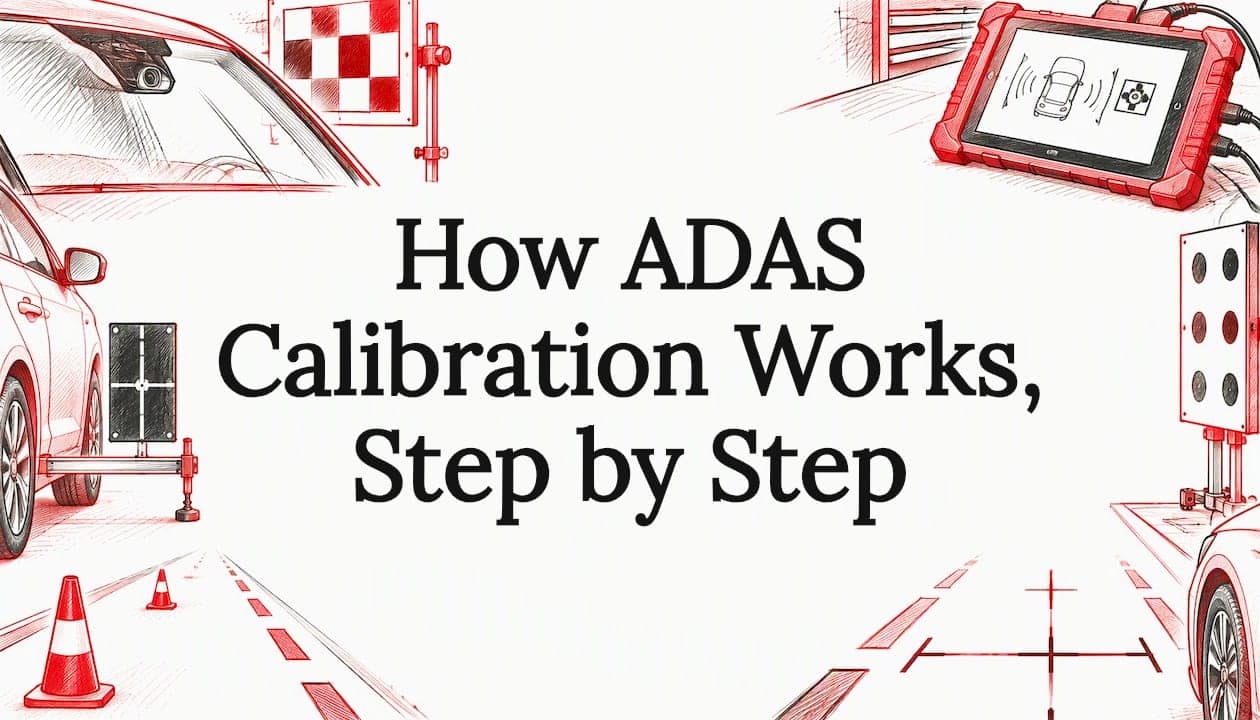
How ADAS Calibration Works, Step by Step
See how ADAS calibration works: static and dynamic methods, what happens in the shop, how long it takes, and when your car needs...
October 22, 2026
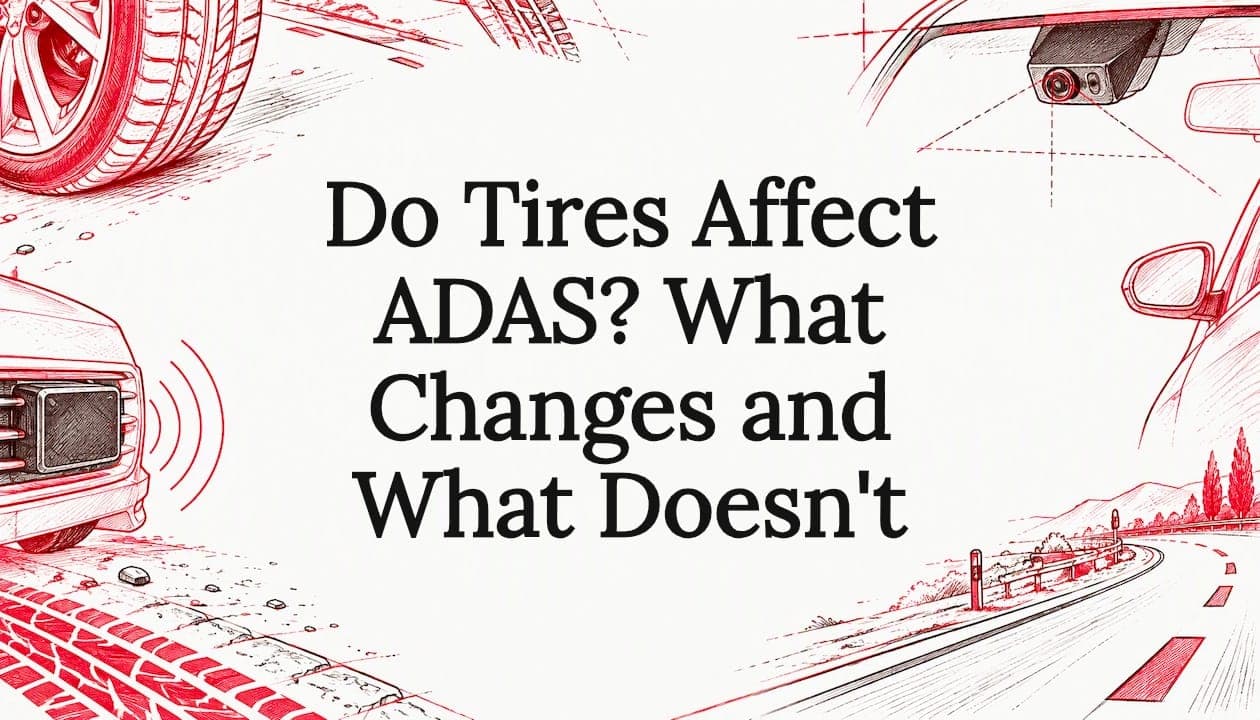
Do Tires Affect ADAS? What Changes and What Doesn’t
Do tires affect ADAS? Learn how tire size, pressure, wear and alignment can change sensor accuracy, and when a calibration check is worth...
October 21, 2026
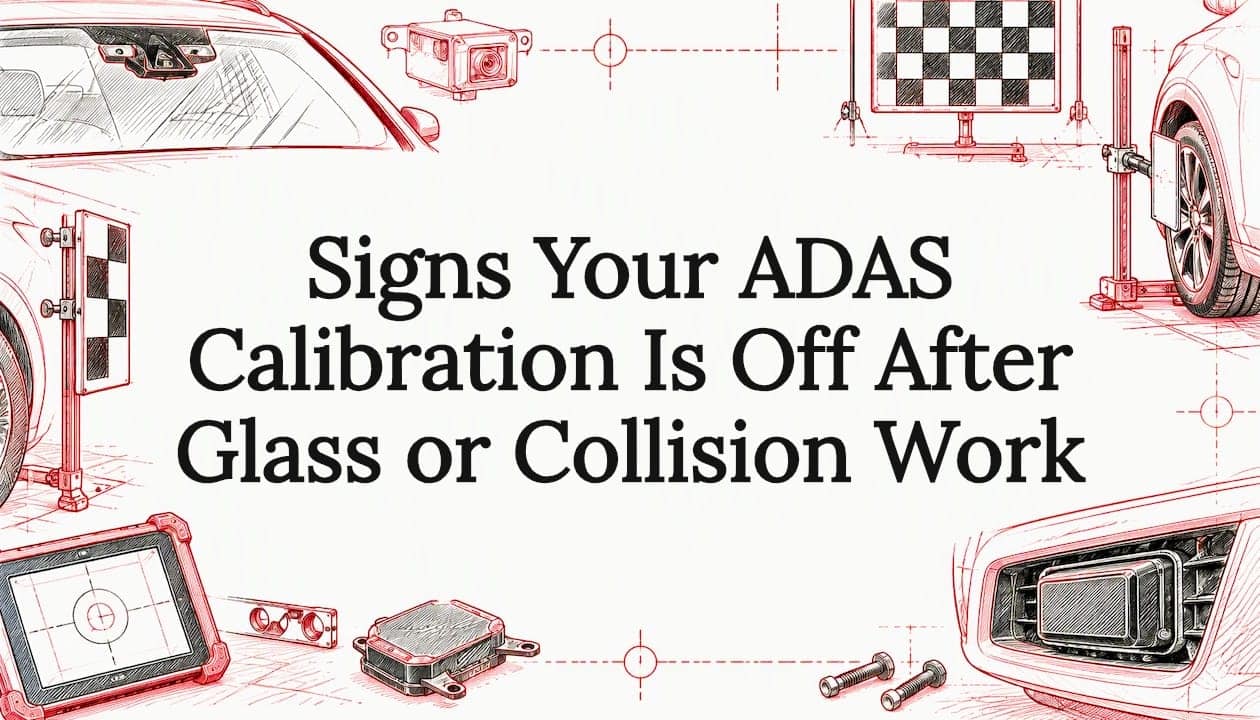
Signs Your ADAS Calibration Is Off After Glass or Collision Work
Lane assist drifting, false braking, a camera warning light: learn the signs your ADAS calibration is off and what to do about it,...