
Auto Glass Repair
Parking garages and lots cause a fair share of windshield damage, from falling concrete debris to shopping cart impacts and temperature swings that turn a small chip into a spreading crack. If you discover damage, photograph it from several angles, note the time and location, and avoid pressure washing or slamming doors before calling your insurer or a shop equipped for ADAS calibration.
TL;DR:
- Damage caused by falling debris from aging concrete structures or construction work can be difficult to detect but often requires prompt inspection and documentation.
- Small chips away from the windshield edge and outside the driver’s line of sight are typically repairable, while cracks near the edge or in the line of sight usually need full replacement.
- ADAS sensors housed in the windshield, such as lane-keeping cameras, necessitate recalibration after any repair or replacement for proper system functioning.
- Comprehensive insurance typically covers windshield damage from parking lot hazards, with an average annual cost of around $134, and some policies may include no-deductible glass repairs.
- Mobile repair services can often work on-site in parking garages if proper space and safety conditions are met, but they may require vehicle relocation in tight or poorly ventilated structures.
Table of Contents
- Exactly how garages and lots cause or worsen windshield damage
- How to tell whether a chip needs repair, replacement, or ADAS recalibration
- What insurance covers and when a garage or valet may be responsible
- Step-by-step actions to take in the first 24 to 72 hours
- How to park and store to reduce windshield risk in garages and lots
- Can technicians work on-site in a parking garage, and short-term fixes to slow cracks
- Why a family-owned glass shop’s calibration experience matters here
- How to get help from Collision Auto Glass & Calibration
- Sources
- FAQ
Exactly how garages and lots cause or worsen windshield damage
Concrete parking structures age, and aging concrete sheds. Overhead slabs can spall, dropping small fragments onto the cars below, and any construction or maintenance work above a deck raises that risk further. Multi-level garages with exposed rebar or visible cracking in the ceiling deserve extra caution when you choose a spot.

Open lots bring a different set of hazards. Shopping carts left to drift, car doors opened without a second look, and low-speed fender benders between parked vehicles account for a large share of glass damage that has nothing to do with weather or debris.
Temperature plays its own role. A windshield left in direct sun for hours, then hit with a blast of cold air conditioning or rain, expands and contracts in ways that stress existing weak points. According to guidance from the National Association of Insurance Commissioners, temperature swings and contamination in a chip can encourage a stable crack to spread. Grit, moisture, and road salt that settle into a small chip do the same thing over time.
- Falling debris from overhead slabs or nearby construction
- Shopping cart and door impacts in tight or crowded lots
- Thermal stress and moisture that turn a small chip into a spreading crack
How to tell whether a chip needs repair, replacement, or ADAS recalibration
Not every mark on your windshield needs the same fix. Size, depth, and location decide whether a resin repair will hold or whether the glass needs to come out entirely.
- Small chips under a quarter, away from the edge: Bulls-eye and star-break chips smaller than a quarter, sitting outside the driver’s direct line of sight and away from the windshield’s edge, are usually good repair candidates.
- Cracks longer than a few inches or near the edge: Cracks that reach the windshield’s border compromise structural strength and typically call for replacement rather than repair.
- Damage directly in the driver’s sightline: Even a small repair can leave a faint distortion, so shops often recommend replacement when the chip sits where it affects visibility.
- Any damage on a vehicle with windshield-mounted sensors: If your windshield holds a camera or sensor bracket for ADAS, replacement almost always requires recalibration afterward.
A resin injection restores strength and stops a chip from spreading, but it will not perfectly restore clarity. On vehicles with driver assistance features, the windshield often houses the camera that reads lane markings and traffic signs, and Consumer Reports notes that replacing that glass can shift the camera’s angle just enough to require recalibration before the system reads the road correctly again.
Pro Tip: Snap a close-up photo of the damage next to a coin for scale before you call anyone. It helps the shop judge repair versus replacement over the phone.
What insurance covers and when a garage or valet may be responsible
Most windshield claims from a parking garage or lot fall under comprehensive coverage, not collision. Comprehensive pays for non-collision events, including broken glass and falling objects, while collision applies to crash impacts between vehicles. According to the Insurance Information Institute, comprehensive coverage averages about $134 a year and specifically covers broken windshields and falling debris.
Comprehensive coverage averages about $134 per year, which is often the more affordable coverage to add, and it is the one that responds to a cracked windshield caused by garage debris.
Some insurers also offer glass-specific endorsements with a reduced or waived deductible, which can make a repair essentially free.
- Comprehensive covers falling objects, vandalism, and glass damage unrelated to a collision.
- Collision covers impacts between vehicles or with a fixed structure.
- Some policies include a no-deductible glass repair option worth asking about.
Liability sometimes shifts to the facility itself. When you hand your keys to a valet, a legal relationship called bailment forms, and if your car comes back damaged, courts can presume the operator was negligent, which shifts the burden of proof onto them, as one New York court ruling illustrates. That presumption does not apply to self-park garages where you keep your own keys.
Step-by-step actions to take in the first 24 to 72 hours
What you do in the hours right after discovering damage often decides whether a claim goes smoothly or drags on.
- Photograph everything. Capture the damage from multiple angles, plus the parking spot, any visible debris, and posted signage.
- Note the details. Write down the time, date, weather, and exact level or space number while it is fresh.
- Look for evidence. Check for security cameras, ask an attendant for an incident report, and collect contact information from any witnesses.
- Contact your insurer. Report the damage, ask whether your policy includes a glass program, and confirm your deductible.
- Call a shop equipped for ADAS calibration after windshield repair. If your vehicle has driver assistance features, this step matters as much as the repair itself.
- Keep every receipt and report. Documentation supports both the insurance claim and any liability question involving the facility.
How to park and store to reduce windshield risk in garages and lots
A little judgment when you choose a spot prevents most of this damage before it happens.
- Skip spaces directly beneath visible construction, scaffolding, or cracked overhead concrete
- Park under cover when a covered level is available, especially during hail or heavy rain
- Avoid tight end spaces near cart corrals, where door dings and cart impacts cluster
- Secure loose items inside the car so nothing shifts and strikes the glass from behind
- Use a sunshade during long hot days to reduce the thermal stress that spreads existing chips
- In freezing weather, park facing away from prevailing wind and frost buildup where practical
- Cover the windshield temporarily during forecast hail or falling debris from nearby work
None of these steps guarantee protection, but together they cut down the everyday exposure that adds up over years of parking in the same garage or lot.
Can technicians work on-site in a parking garage, and short-term fixes to slow cracks
Mobile windshield service can often reach you right where you parked, but the site has to be safe to work in. According to Safelite, a trained technician can frequently replace or repair glass at the vehicle’s location, though lighting, ventilation, and available space determine whether the job can be done properly.
An enclosed garage with low ceilings, poor lighting, or heavy fumes from nearby traffic can complicate the work enough that a technician asks you to move the car to an open lot or bring it into the shop instead.
- Confirm there’s enough clearance and airflow for adhesive curing before booking a garage appointment
- Ask the technician whether your specific level or space works, since some structures are too tight
- Expect a request to relocate if lighting or ventilation falls short of what the job needs
Until a professional can look at it, keep the area dry and covered with clear packing tape, and skip the car wash. Pro Tip: A dab of clear tape over a fresh chip keeps out moisture and grit long enough to get to a shop without making the damage worse.
Why a family-owned glass shop’s calibration experience matters here
Collision Auto Glass & Calibration has repaired and replaced windshields for Portland drivers since 2008, with same-day service and free mobile installation built around exactly the scenarios described above. Every replacement includes in-house ADAS calibration and a lifetime no-leak guarantee, because a windshield that seats a camera bracket incorrectly can leave lane-keeping or automatic braking systems reading the road wrong.
— Collision Auto Glass & Calibration
How to get help from Collision Auto Glass & Calibration
If a garage or lot has left you with a chip, a crack, or a full break, you don’t have to sort out repair versus replacement alone. Collision Auto Glass & Calibration offers windshield repair starting at $90 and windshield replacement ranging from $200 to $500, both backed by direct insurance billing so you’re not stuck fronting the cost and waiting on reimbursement.
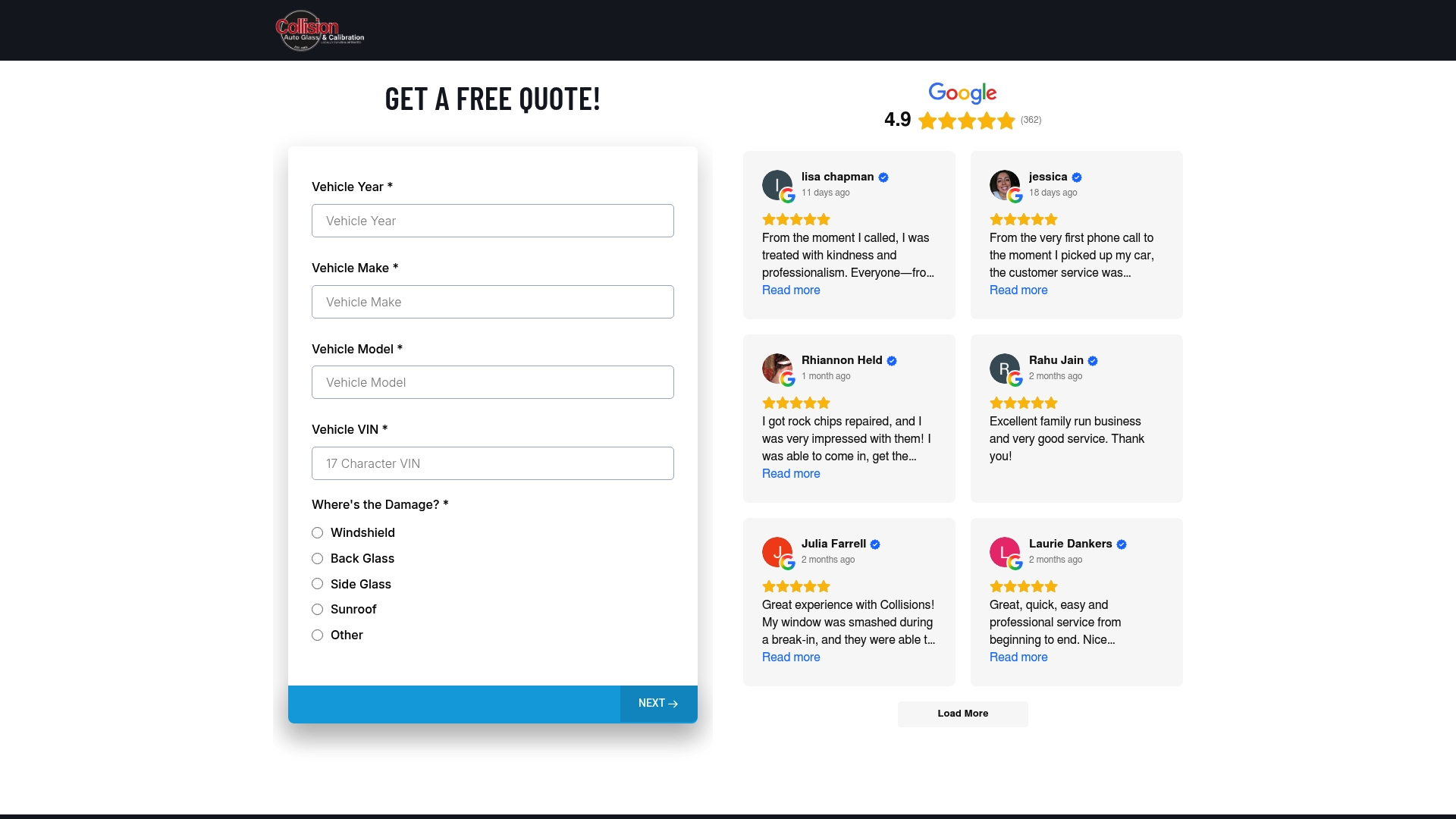
When contacting a glass repair shop, provide details about the damage and whether your vehicle has driver assistance features, so they can schedule any necessary calibration along with the glass work. Many shops offer repair and replacement services, calibration for camera and sensor-equipped vehicles, mobile installation options, and support with insurance billing.
Get a quote today and find out what your repair or replacement will actually cost.
Sources
The insurance guidance here draws on the Insurance Information Institute and the National Association of Insurance Commissioners, while the ADAS recalibration recommendations follow Consumer Reports and mobile service feasibility follows Safelite.
- What is covered by collision and comprehensive auto insurance? | III
- What is covered by auto insurance? – NAIC content
- How to handle repairs from a car crash – Consumer Reports
FAQ
Are parking garages responsible for damage to my car?
It depends on the arrangement. If you handed your keys to a valet, bailment law may presume the operator was negligent if your car comes back damaged, but self-park garages where you keep your own keys rarely carry that same presumption.
Does car insurance cover parking garage damage?
Comprehensive coverage typically pays for windshield damage from falling debris or other non-collision events in a garage or lot, and it averages about $134 per year. Collision coverage applies instead if another vehicle struck yours.
What should I do if my car gets scraped in a parking garage?
Photograph the damage and the surrounding area, note the time and space number, and ask the facility for camera footage or an incident report. Then contact your insurer and, for glass damage, a shop that can also handle ADAS recalibration if your vehicle needs it.
Is windshield damage covered by auto insurance?
Most windshield damage from garages or lots falls under comprehensive coverage, which handles falling objects and non-collision breaks. Some insurers add a no-deductible glass option, so it’s worth checking your policy before assuming you’ll pay out of pocket.
Can a technician replace my windshield right in the parking garage?
Often, yes. Mobile technicians can frequently complete the job at your parked location, though tight clearance, poor lighting, or weak ventilation in an enclosed structure may mean relocating to an open lot first.
Recommended
- Does Auto Insurance Cover Glass Replacement?
- $600–$1,500 ADAS Costs: When to Use Windshield Insurance vs Pay Cash
- Will Filing a Windshield Claim Affect My Insurance Rates?
- Do I Need To Recalibrate My ADAS If I Replace My Windshield?
🎧 Listen to This Article
Share
Recent Posts
September 27, 2026
Portland Drivers: Insurance, ADAS Steps After Garage Windshield Damage
Portland drivers: photograph and document parking garage windshield damage, report it to your insurer, and schedule ADAS capable repair from a local shop…....
September 26, 2026
Up to 14 Inches? How ROLAGS and Technicians Decide Windshield Repairs
Under ROLAGS, some cracks up to 14 inches can be repaired. Learn technician checks, including depth, edge proximity, ADAS, and when replacement is...
September 25, 2026
8 Steps: Safe Tempered Glass Cleanup for Drivers, When to Call a Pro
Follow OSHA backed, driver focused steps to clear shattered tempered glass safely. Covers protective gear, tape and vacuum timing, disposal, door cavity…...