
Auto Glass Repair
Yes, a windshield can be replaced safely in rainy weather, but only when the bonding surface stays dry during installation and the vehicle gets protected while the adhesive sets. Modern 3M Auto Glass Urethane actually cures using atmospheric moisture, so humidity isn’t the enemy. What matters is that technicians, technicians keep the pinchweld dry at the moment of bonding and shield the car through the 60 to 90 minute initial set.
TL;DR:
- Windshield replacement can be done safely in rain if the bonding surface remains dry during installation and the vehicle is protected during adhesive curing.
- The initial adhesive set takes about 60 to 90 minutes, during which heavy rain can disturb the bond, but light rain afterward generally doesn’t cause issues.
- Drivers should avoid car washes and heavy rain exposure for at least 24 hours, with full curing occurring between 24 and 72 hours depending on temperature and humidity.
- Skilled shops use covered work areas, moisture detection, and careful priming to handle wet weather installations without compromising quality.
- After rain exposure, check for leaks by running a gentle hose test around the seal and document any moisture or air gaps within the first 30 days for warranty purposes.
Table of Contents
- When Rain Is OK: How Shops Install Safely in Wet Weather
- How Long After a Windshield Replacement Can You Drive in the Rain?
- What to Do If It Rains After Your Windshield Replacement
- If It Starts Raining Mid-Installation
- How to Check for Leaks After the First Rain
- Why Experienced Shops Handle Rain Without Drama
- Ready for a Weather-Aware Windshield Replacement?
- Sources
- FAQ
When Rain Is OK: How Shops Install Safely in Wet Weather
The chemistry sounds contradictory at first. The urethane needs moisture in the air to cure, yet direct water on the bonding surface before the bead sets ruins the seal. The fix is timing, not avoidance. Technicians dry the pinchweld completely, apply primer, and let it flash for about 10 minutes before setting the glass, following 3M’s installation procedures for bead geometry and primer timing.
Shops that handle regular wet-weather work rely on a short list of tools to keep conditions controlled:
- Indoor bays or mobile canopies that keep rain off the work area entirely
- Foam dams and retention tape to stabilize the glass while the bead sets
- Moisture-detection checks on the pinchweld before primer goes down
- Masking around the frame to stop splashback from reaching the fresh bead
Reputable installers with covered mobile setups can complete a replacement in light rain by controlling the environment around the vehicle, according to Affordable Auto Glass’s field guidance. Heavy, continuous downpours are different. If there’s no covered space available or the pinchweld gets soaked before the primer step, a competent shop will pause or reschedule rather than gamble on the bond. Don’t skip ADAS calibration scheduling if your vehicle needs it. Rain delays should push the calibration appointment, never eliminate it.
How Long After a Windshield Replacement Can You Drive in the Rain?
Three separate windows matter here, and confusing them is the most common mistake owners make. Initial set runs roughly 60 to 90 minutes, during which the outer bead is still soft enough that direct water contact can wash out its profile, since the adhesive can’t self-correct surface contamination once it’s disturbed, according to installer notes from NuVision Auto Glass. Safe drive-away time is the point your installer clears you to leave, typically at or shortly after that 60 to 90 minute mark. Full cure takes 24 to 72 hours, depending on the adhesive, temperature, and humidity.
By the numbers: Full structural cure for one-part moisture-cure urethane generally lands in the 24 to 72 hour range, with cold temperatures below 40°F pushing toward the longer end.
Temperature and humidity pull in opposite directions. Cold weather slows the cure significantly, so ask your installer for a temperature-adjusted safe drive-away time if you’re picking up your car in winter. Higher humidity actually speeds moisture-cure adhesives along, which is one reason light rain after the first hour rarely causes problems.
Here’s the practical rundown for the first three days:
- First 60 to 90 minutes: Stay parked if possible. Heavy rain during this window can disturb the outer bead.
- First 24 hours: Light rain is generally fine once the initial set has passed. Avoid running the wipers on dry glass and skip heavy rain exposure when you can.
- 24 to 72 hours: Avoid high-pressure or automatic car washes. Mechanical stress and pressurized water during this stretch can compromise a bond that hasn’t fully cured, per 3M’s adhesive guidance.
What to Do If It Rains After Your Windshield Replacement
The first three days after a replacement set the tone for how long that seal lasts. A little discipline now saves you a comeback visit later.
Do this:
- Park under cover if a heavy downpour rolls in during the first 24 hours.
- Keep a window cracked slightly. Slamming doors creates a pressure spike inside the cabin that can flex the glass and stress an uncured bead, an effect MotorTrend has documented in its coverage of door-slam physics.
- Drive gently once you’re past your safe drive-away time. Avoid slamming into potholes or hard braking that jolts the frame.
- Gently pat dry the perimeter with a soft towel if it’s wet after your first drive, then check the edges visually.
Skip this:
- No automatic or high-pressure car washes for 48 to 72 hours.
- Don’t run the wipers on dry glass during the first 24 hours.
- Don’t slam doors. Close them normally.
- Skip rain repellent treatments until the adhesive has fully cured. Their solvents can interact with fresh urethane.
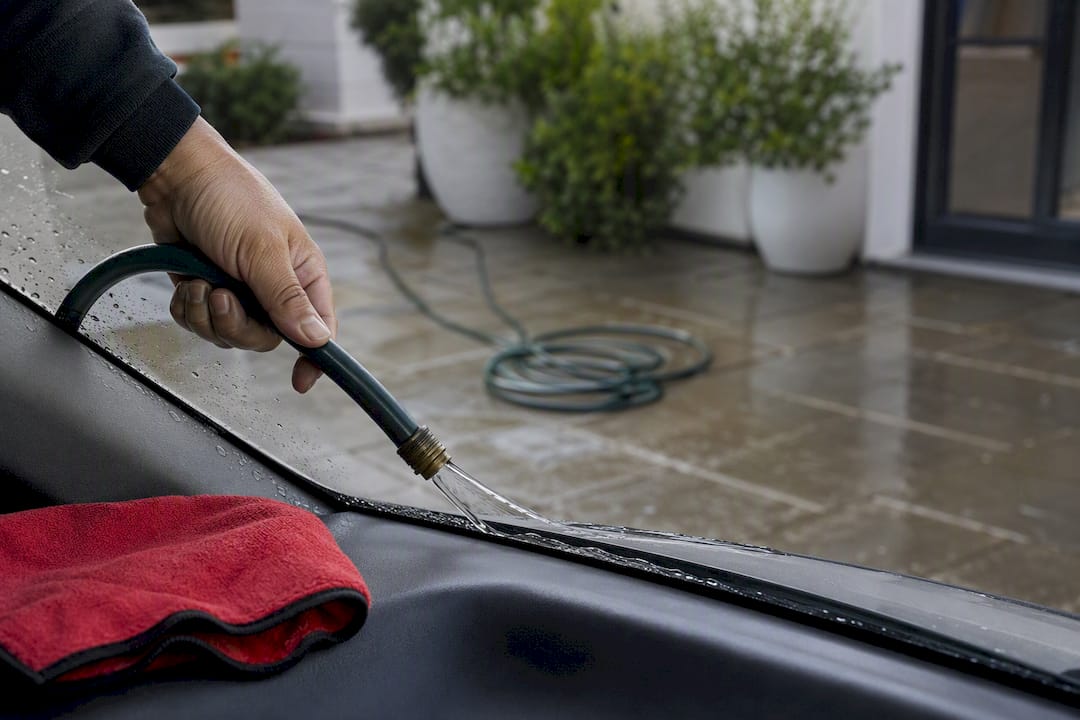
Pro Tip: Run a gentle garden-hose test along the top and side edges of the windshield at the 24 to 48 hour mark, never with a pressure nozzle. Watch the headliner and A-pillar trim for any dripping while a second person checks from inside.
If you notice drips at the A-pillar, a damp spot on the headliner, or a faint whistle at highway speed, those are the classic signs of an incomplete seal and worth a call to your installer.
If It Starts Raining Mid-Installation
A responsible technician doesn’t just push through a sudden downpour. If rain starts while your car is up on the schedule, the crew should move under a canopy or into a covered bay, apply retention tape to hold the glass steady, and re-check the pinchweld for moisture before continuing. If the primer step already happened and water reached the bonding surface, the right move is drying and re-priming, not proceeding on a contaminated substrate.
Heavy, continuous rain with no covered space available is the one scenario where rescheduling is the smarter call than pushing forward. Before you drive off, ask three questions: What’s my exact safe drive-away time? Is today’s work covered under warranty? And if my car needs ADAS calibration, will that be rescheduled if weather affected today’s install?
How to Check for Leaks After the First Rain
Watch for four specific signs in the days after your first real rain exposure: water dripping from the A-pillar trim, a damp patch on the headliner near the windshield’s edge, recurring fog buildup on the inside of the glass, or a hiss or whistle at speed that suggests an air gap in the seal.
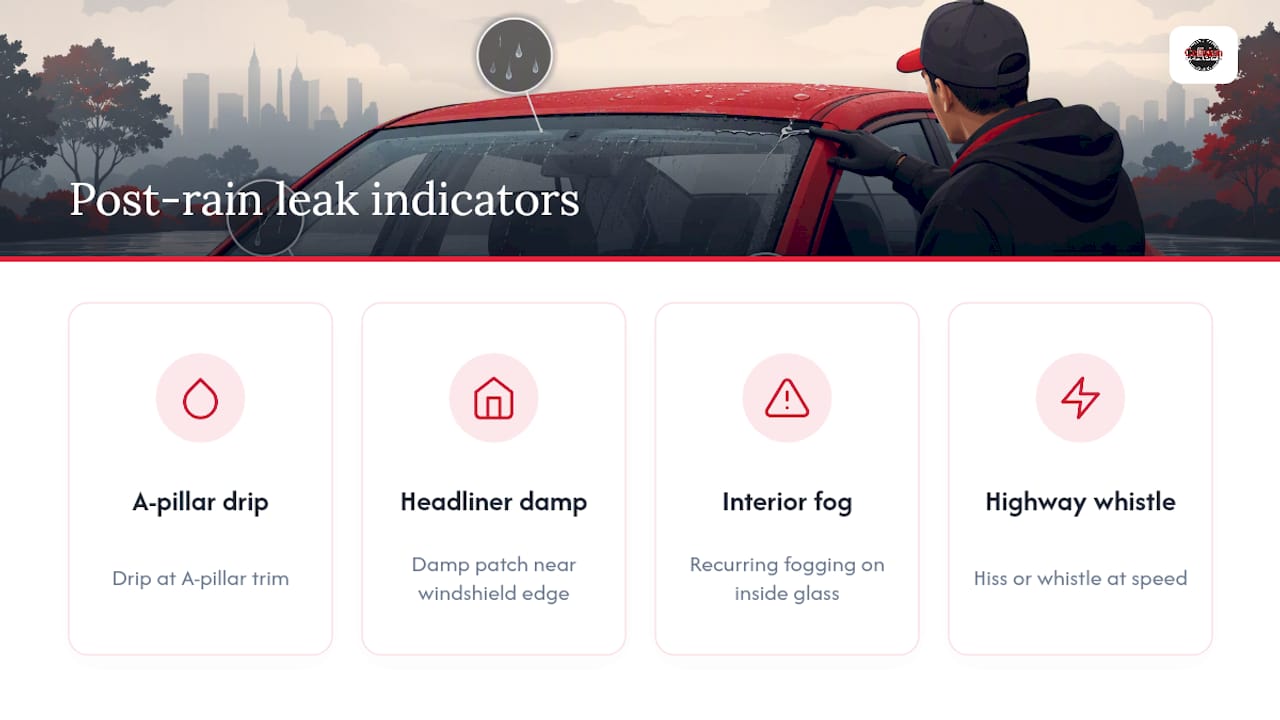
The test itself is simple. Run a gentle hose along the perimeter after 24 to 48 hours, never a pressure washer, while someone checks inside for moisture. Press firmly along the trim and listen for any give, which can indicate an air pocket under the seal.
If you find something, document it. Photos, a short video, and a timestamp make the conversation with your installer faster and clearer. Manufacturer and shop guidance both treat leak issues found within the first 30 days as standard warranty territory, so contact the shop promptly rather than waiting to see if it resolves on its own. For more on ongoing care, see our windshield aftercare guide.
Why Experienced Shops Handle Rain Without Drama
The gap between a shaky rain-day install and a solid one usually comes down to process, not luck. A shop that treats wet weather as routine, rather than an excuse to cut corners, has covered work areas ready, primers on hand, and a habit of checking the pinchweld before committing to a bead. Some installers build their mobile service around exactly that discipline, with covered setups for on-site work and in-house ADAS calibration so a rain delay never turns into a skipped safety step.
The real trust signal isn’t a shop’s marketing copy. It’s whether they’ll tell you their safe drive-away time without hedging, whether they explain their primer process when asked, and whether their warranty actually covers a leak found three weeks later. Ask any installer those three things before you book, and you’ll know within thirty seconds whether they’ve done this a thousand times or are guessing along with you. Our guide to choosing an auto glass shop breaks down more of these questions.
— Collision Auto Glass & Calibration
Ready for a Weather-Aware Windshield Replacement?
Rain shouldn’t force you to choose between a rushed appointment and days of waiting for a clear forecast. Some installers run covered mobile installs and in-shop appointments built around the same dry-substrate discipline this article just walked through, often backed by strong guarantees that protect long after the adhesive cures.
Here’s what that looks like in practice:
- Mobile installation with covered setups
- Guarantees that cover leaks on windshield replacements
- ADAS calibration services scheduled around installs
- Some service providers offer direct insurance billing to assist with paperwork
If your windshield needs attention and the forecast looks unpredictable, schedule your windshield replacement and let the crew handle the weather logistics.
Sources
- 3M: Auto Glass Urethane technical data sheet
- 3M Auto Glass Urethane guidance via Sherwin-Williams product listing
- NuVision Auto Glass: What happens if it rains after windshield replacement?
FAQ
Is It Okay If It Rains on a Newly Replaced Windshield?
Yes, once the initial set period of about 60 to 90 minutes has passed. Light rain generally won’t damage a correctly installed windshield, but heavy rain in that first hour can disturb the still-soft bead.
What Do Shops Do If It’s Raining During Your Appointment?
Shops with covered mobile setups move the work under a canopy or into a covered bay, dry and re-prime the pinchweld if needed, and reschedule only if heavy, continuous rain leaves no way to keep the bonding surface dry.
How Long After Windshield Replacement Can I Drive in the Rain?
You can typically drive in light rain once you’ve passed the 60 to 90 minute initial set and your installer confirms your safe drive-away time. Avoid car washes and heavy rain exposure for 24 to 72 hours while the adhesive fully cures.
Will My Insurance Go Up If I Claim for a Windshield?
Comprehensive glass claims typically don’t count against you the way at-fault accident claims do, though policies vary by insurer and state. Check with your provider directly, or ask about direct insurance billing when you schedule your replacement.
Recommended
Share
Recent Posts
September 15, 2026
60–90 Minute Rule: Windshield Replacement in Rain for Drivers
Windshield replacement in rain: usually safe to drive after 60–90 minutes. Avoid car washes 24–72 hours. Confirm ADAS calibration....
September 14, 2026
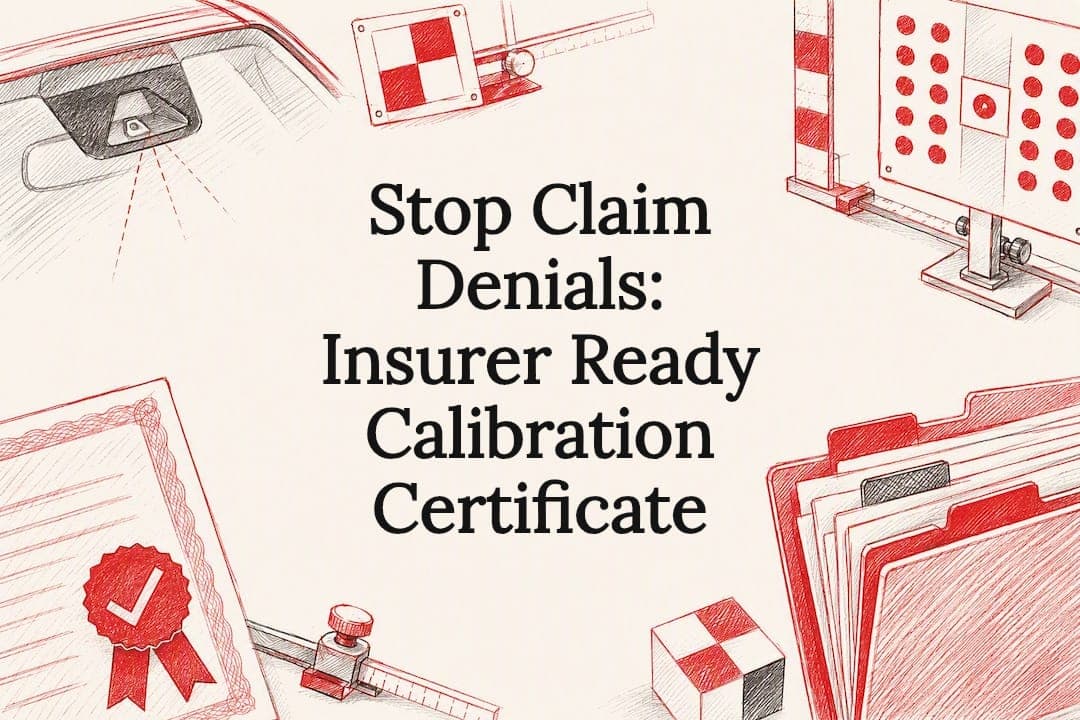
Stop Claim Denials: Insurer Ready Calibration Certificate
Make ADAS calibration claims stick. Use a VIN tied pre scan and post scan certificate with OEM citation, separate billing line, and a...

September 13, 2026
Net VLT Math for Car Owners: Privacy Glass vs Tint and Legal Limits
Car owners: use net VLT math to compare factory privacy glass and aftermarket tint. Learn UV, heat, safety differences, legal limits, and an...