Auto Glass Repair
Most often an automatic high-beam system stops working because the forward-facing camera is blocked, dirty, or misaligned after a windshield replacement, or because the system has flagged an internal fault. Start with the light switch and the camera housing before assuming the worst.
Check these four things first:
- Confirm the headlight switch is actually set to AUTO, not just parked near it.
- Wipe the inside of the windshield directly behind the rearview mirror where the camera sits.
- Toggle the turn signal stalk forward and back once to force a system reset.
- Test your manual high beams to confirm the bulbs themselves work.
Pro Tip: If your manual high beams work fine but auto mode won’t engage, the problem almost always lives in the camera or its wiring, not the bulbs. Save yourself a trip to the parts store and start there.
Manual high beams still function independently of the automatic system in nearly every vehicle. Use them where legal and safe while you sort out the automatic feature.
Key Takeaways
Auto high-beam failures usually trace back to a dirty or misaligned camera, uncalibrated windshield work, or a simple electrical fault, and most start with a five-minute check before any shop visit is needed.
| Point | Details |
|---|---|
| Start with the basics | Confirm AUTO mode, test manual high beams, and clean the windshield behind the mirror before assuming a hardware failure. |
| Watch for windshield-related failures | Recent glass replacement without proper camera calibration is one of the most common causes of a disabled system. |
| Know the limits of DIY tools | Generic OBD-II scanners often can’t read manufacturer-specific camera or ADAS fault codes. |
| Match the fix to the fault | Simple issues like bulbs or fuses often cost under $100, while camera replacement or calibration requires shop equipment and more time. |
| Choose a shop that calibrates in-house | Collision Auto Glass & Calibration performs windshield replacement and ADAS calibration together with a lifetime no-leak guarantee. |
Table of Contents
- Why Is My Auto High Beam Not Working? How the System Actually Sees the Road
- What Causes an Auto High Beam System to Stop Working?
- How Do You Troubleshoot High Beam Issues Step by Step?
- When Should You Book Professional ADAS or Windshield Service?
- How Much Does It Cost to Fix High Beams, and How Long Does It Take?
- Do All Cars Handle Auto High Beams the Same Way?
- Why Windshield Work Is the Number One Cause We See
- How We Can Fix This: Same-Day Windshield and ADAS Calibration
- A Straight Answer on What Actually Fixes These Systems
- Sources
- FAQ
Why Is My Auto High Beam Not Working? How the System Actually Sees the Road
Automatic high beams rely on a small forward-facing camera mounted behind your rearview mirror, and that camera is doing more work than most drivers realize. It watches for headlamps, taillamps, and ambient light levels in real time, then decides whether the road ahead is dark enough and clear enough to justify the switch. Ford’s own service documentation confirms the camera controls the switch between high and low beams and that it deliberately holds back when it detects oncoming or preceding traffic.
The system won’t engage unless several conditions line up at once:
- It has to be genuinely dark, not just dusk or an overcast afternoon.
- Your vehicle typically needs to exceed a minimum speed, often around 23 mph on many models, before the feature activates.
- No detected headlamps or taillamps can be in the camera’s field of view.
Honda’s owner documentation for the Civic Hatchback lays out these same speed and darkness thresholds, and most manufacturers use nearly identical logic. That’s also why wet roads, illuminated street signs, and dense urban lighting will often stop the system from switching by design, not by malfunction. The camera is built to avoid blinding other drivers, so it errs on the side of caution. If your high beams seem “lazy” on a rainy night full of reflective signage, that’s usually the system working exactly as intended.
What Causes an Auto High Beam System to Stop Working?
Failures generally fall into five categories, and narrowing down which one you’re dealing with saves time and money.
- A dirty or obstructed camera lens. Road film, wax residue, bug splatter, or a sticker placed too close to the mirror mount can block the camera’s view enough to disable the feature entirely.
- Windshield damage or a recent replacement. A crack running through the camera’s field of view, or a new windshield installed without proper optical alignment, throws off what the camera sees. This is one of the most common triggers technicians encounter, and it’s largely preventable with the right installation process.
- Camera hardware failure or internal misalignment. Cameras do fail on their own over time, independent of any windshield work, especially after a hard impact or extreme temperature swings.
- Bulb, fuse, relay, or wiring problems. A burned-out high-beam bulb, a mismatched replacement bulb, a blown fuse, or a failing relay can all mimic a “system not working” symptom even though the camera itself is fine.
- Software glitches or low battery voltage. Weak battery voltage can cause body control modules to lose communication temporarily, and some vehicles need a firmware update or reset after a battery replacement to restore full function.
A diagnostic breakdown from Mechanic Voice lists nearly this exact same set of causes behind the “Adaptive Main Beam Assist Inoperative” warning, which shows up across several brands using slightly different wording for the same underlying fault. Knowing which category you’re in determines whether you’re looking at a five-minute fix or a shop appointment.
How Do You Troubleshoot High Beam Issues Step by Step?
Work through these steps in order. Each one rules out a category of fault before you move to something more involved.
- Confirm basics first. Set the switch to AUTO, then test manual high beams by pulling the stalk toward you. Note exactly when the issue happens: only at highway speed, only in rain, only after startup.
- Clean and inspect the camera area. Wipe the interior glass behind the mirror with a lint-free cloth and glass cleaner. Remove any dashcam, radar detector, or decal mounted near the camera housing; these are more common obstructions than most drivers expect. Inspect the windshield itself for chips or cracks sitting directly in the camera’s viewing cone.
- Check the bulbs and fuses. Look at both low and high beam bulbs for a blackened filament or cloudy glass, and pull the relevant fuse to check for a broken element. If your headlights seem dim or flicker at idle, that often points to battery voltage rather than the bulbs themselves.
- Try a controlled reset. Cycle the ignition off and wait 30 seconds before restarting. If that doesn’t help, some owners disconnect the battery for 10 to 15 minutes to force a full module reset, though this should only be attempted if you’re comfortable reconnecting the terminals and know your radio presets will clear. Many OEM manuals also describe a specific stalk-toggle sequence, off then back to AUTO, that reactivates the feature after a fault clears itself.
- Read the diagnostic codes if the problem persists. A generic OBD-II scanner will often show a general body control module code, but it frequently can’t interpret manufacturer-specific camera or ADAS codes. YouCanic’s troubleshooting guide notes that basic cleaning and reset steps resolve many intermittent faults, but a persistent inoperative warning almost always needs shop-level diagnostic software.
Pro Tip: Write down the exact conditions when the failure happens before you call a shop. “Only above 40 mph in the rain” is a completely different diagnosis than “never works, even parked in a dark garage,” and giving a technician that detail can cut diagnostic time significantly.
If cleaning and resetting fix the problem, you were dealing with an obstruction or a minor software hiccup. If the warning light returns within a day or two, you’re likely looking at a hardware fault, a wiring issue, or a windshield installed without proper camera alignment, and that calls for the next step.
When Should You Book Professional ADAS or Windshield Service?
Some symptoms are simply outside the range of DIY fixes, no matter how carefully you clean the glass or cycle the ignition.
Book a shop visit if you notice any of the following:
- A dashboard message reading “high beam assist inoperative” or similar that returns after a reset.
- The problem started immediately after a windshield replacement.
- A diagnostic scan shows a camera or ADAS-related code rather than a generic electrical fault.
- Manual high beams work perfectly but auto mode never engages under any condition, day or night.
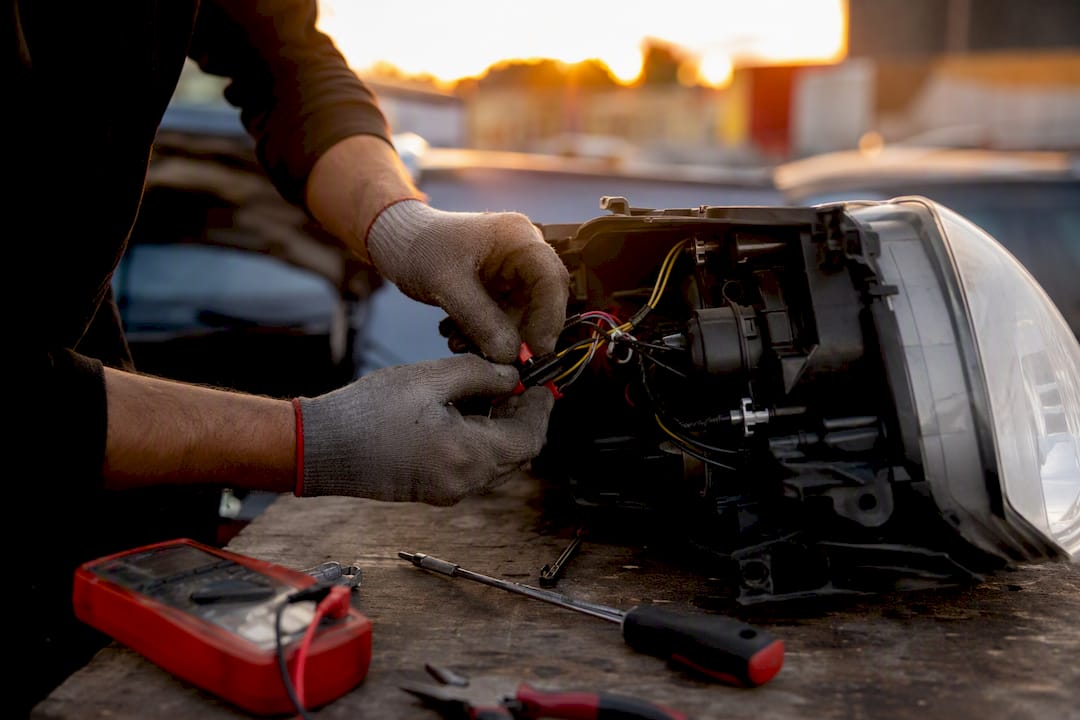
At the shop level, a technician performs an optical axis alignment, runs a full camera calibration using OEM-specified tools, and checks module communication and coding. Toyota’s own repair documentation for the Camry XV70 walks through using Techstream to read the front camera’s control history and perform alignment, which isn’t something a consumer-grade scanner can replicate.
Windshield replacement is one of the highest-frequency causes of ADAS-related complaints technicians see, and skipping recalibration or using the wrong glass often leaves the camera pointed at a slightly different angle than the system expects.
That single-degree shift is enough to disable auto high beams entirely, even when the glass looks perfectly installed. Certified calibration, paired with OEM-quality glass, prevents that repeat failure and confirms the camera’s optical axis matches manufacturer spec. Collision Auto Glass & Calibration performs this work in-house rather than sending vehicles out to a third-party calibration center, which keeps the whole windshield-and-camera job under one roof.
How Much Does It Cost to Fix High Beams, and How Long Does It Take?
Cost depends heavily on which category of fault you’re dealing with, and the range is wide.
Simple fixes tend to be cheap and fast:
- A replacement bulb, fuse, or basic wiring repair often runs under $100 and takes under an hour.
- Cleaning the camera area or performing a stalk-toggle reset costs nothing and takes a few minutes.
More involved repairs cost more because they require specialized equipment. Camera replacement or a full ADAS recalibration varies by vehicle make and model, since some systems need a static alignment with targets set up in a bay, while others require a dynamic road test with a scan tool running in the background. Windshield replacement paired with calibration adds both parts cost and labor time. For a closer look at what drives pricing on your specific vehicle, Collision Auto Glass & Calibration’s ADAS calibration cost guide breaks down the variables shop-by-shop.
Turnaround time follows a similar pattern: minutes for a bulb swap, roughly one to three hours for an in-shop calibration, and same-day service is common when a shop offers mobile installation.
Quick Reset Sequence to Try Right Now
Before booking anything, run through this short sequence in order:
- Wipe the windshield glass directly behind the mirror with glass cleaner and a microfiber cloth.
- Turn the headlight switch off completely, then back to AUTO.
- Start the car fresh and drive to a genuinely dark area, not just a dim parking lot.
- If nothing changes, cycle the ignition off for 30 seconds and try again.
- As a last resort, disconnect the battery for 10 to 15 minutes; if you recently replaced your battery, check whether it needs proper registration with the vehicle’s electrical system first, since an unregistered battery can cause exactly this kind of intermittent module confusion.
Stop and call a shop if the warning light returns immediately after any of these steps.
Do All Cars Handle Auto High Beams the Same Way?
No, and this is where a lot of DIY troubleshooting goes sideways. Every manufacturer builds its own version of this feature, and the differences matter more than most owners expect. Some vehicles use a simple binary system that’s either fully on or fully off. Others use adaptive driving beam technology with LED arrays that selectively dim individual segments to avoid oncoming traffic while keeping the rest of the beam at full strength. NVIDIA’s research on camera-based perception systems draws a clear line between these two approaches, and the more advanced adaptive systems require noticeably more complex calibration.
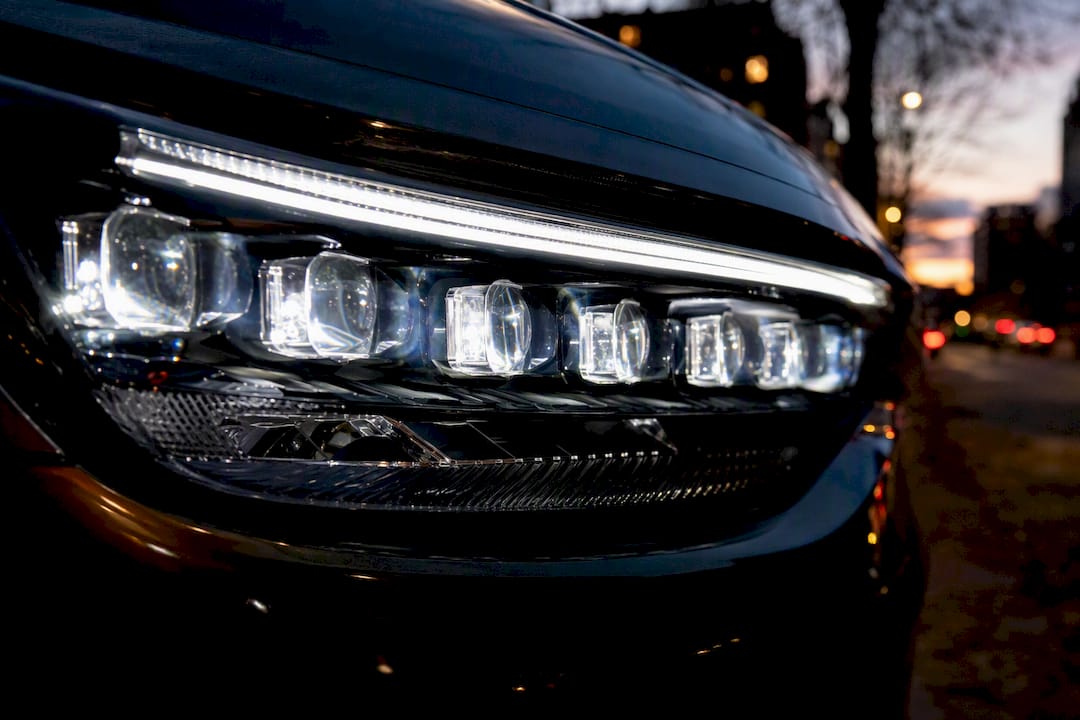
That distinction changes what “fixing” the problem actually involves. A basic on/off system might genuinely be fixable with a clean lens and a reset. A Matrix-style LED system with individually addressable segments needs a diagnostic tester to remap the dimming zones correctly, and getting that mapping wrong can create glare that fails a safety inspection.
Reset sequences also vary by brand. Some vehicles use a stalk toggle. Others require cycling through a menu on the instrument cluster. A handful need a scan tool to clear a stored fault code before the feature will even attempt to re-engage, regardless of how clean the camera lens is. If you drive a vehicle with adaptive or matrix-style beams, don’t assume the generic toggle trick that works on your neighbor’s sedan will work on yours. Check your owner’s manual for the model-specific sequence before spending an afternoon guessing.
Why Windshield Work Is the Number One Cause We See
Most of the auto high-beam calls we get trace back to one of three things: a windshield replaced without proper recalibration, a rock chip sitting right in the camera’s line of sight, or a dashcam mounted a little too close to the sensor. When you call, tell us if you’ve had recent windshield work done, whether you’ve added any aftermarket accessories near the mirror, and exactly what warning message showed up on your dash. That detail alone often points us straight to the fix.
How We Can Fix This: Same-Day Windshield and ADAS Calibration
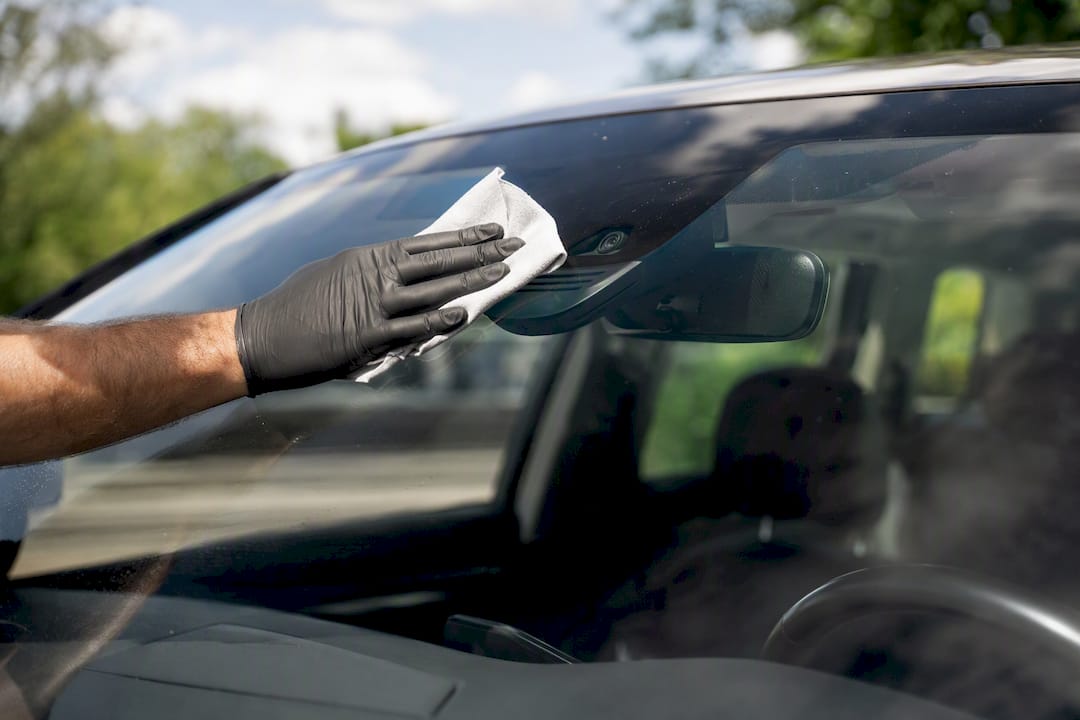
If you’ve worked through the cleaning, resetting, and bulb checks and the auto high-beam feature still won’t engage, the fix is probably a camera or calibration issue that needs shop equipment, not more troubleshooting at home. Collision Auto Glass & Calibration handles this end-to-end in Portland: windshield replacement with OEM-quality glass, in-house ADAS calibration on the same visit, and free mobile installation so you don’t have to build your afternoon around a shop appointment.
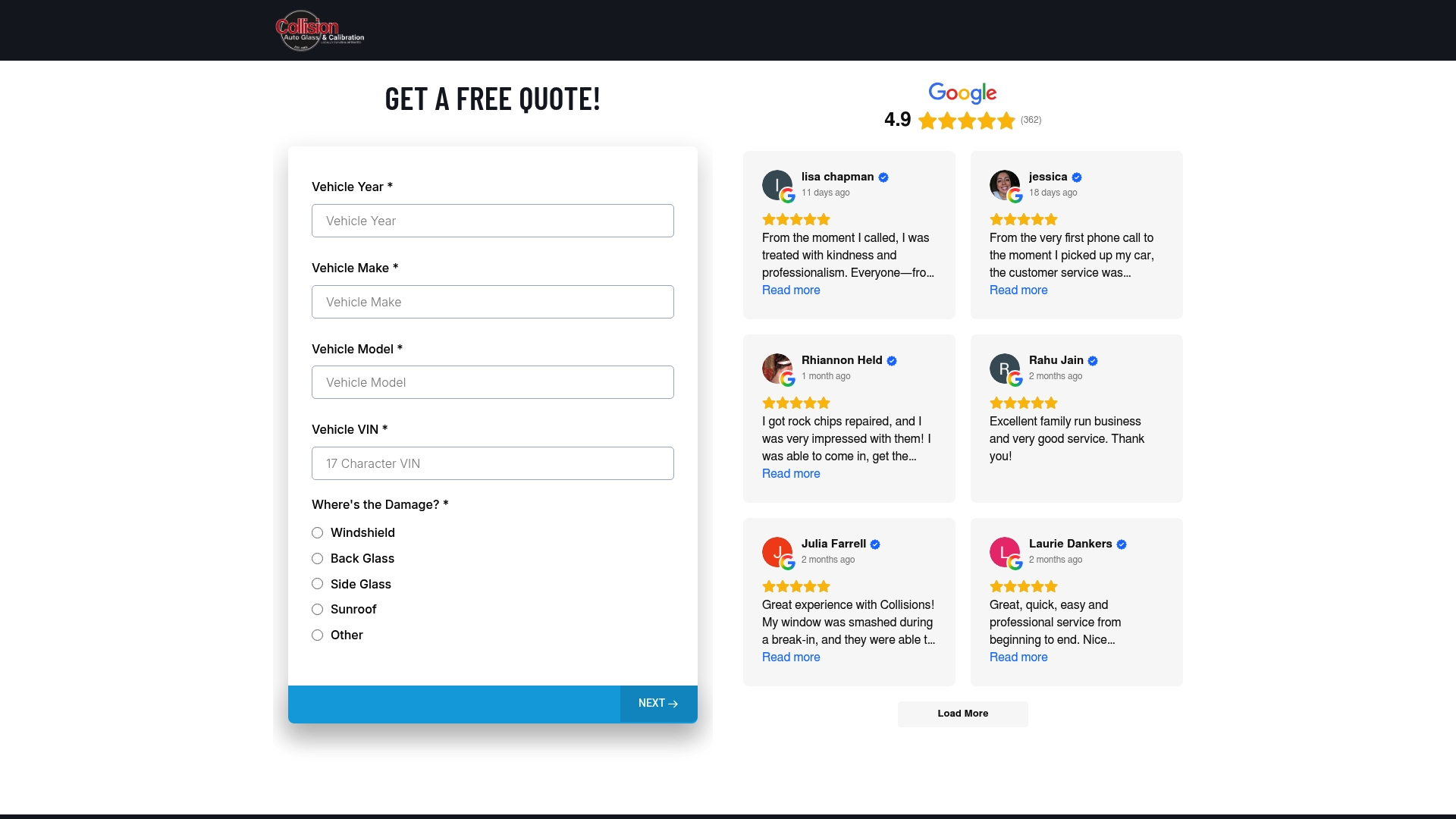
If a technician elsewhere replaced your windshield and skipped recalibration, that’s a common and fixable gap. We run the optical axis alignment and full camera calibration in-house using OEM-specified procedures rather than outsourcing it, which cuts down on the back-and-forth of sending your car to a separate calibration center. Every windshield installation comes with a lifetime no-leak guarantee, and if your repair is covered, we handle direct insurance billing so you’re not stuck negotiating paperwork on top of a broken sensor. If your high beams stopped working after glass work, or you’re not sure whether your last shop calibrated the camera at all, get a quote and we’ll walk you through exactly what your vehicle needs.
A Straight Answer on What Actually Fixes These Systems
Here’s the uncomfortable truth about auto high-beam troubleshooting: most guides make it sound like a coin flip between “clean the lens” and “replace the whole camera module,” and that binary framing does drivers a disservice. The real split is between problems you introduced yourself, dashcams, decals, a dirty windshield, and problems introduced by a previous repair, most often a windshield swap that skipped calibration entirely.
That second category is more common than the industry likes to admit. A camera can be perfectly functional and still fail to work correctly if it’s aimed half a degree off from where the manufacturer’s software expects it to be. No amount of cleaning or resetting fixes that, because there’s nothing wrong with the hardware. The fix is procedural: the shop has to run the actual alignment sequence with the correct targets or drive cycle, using tools built for that exact vehicle.
If you’ve had a windshield replaced anywhere in the last year and your auto high beams stopped working sometime after, start there before you spend money on a new bulb. It’s the single most overlooked cause in this entire troubleshooting chain, and it’s also the easiest one to prevent the next time around by asking upfront whether your installer performs calibration in-house or sends it out.
— Collision Auto Glass & Calibration
Sources
- Auto High-Beam | CIVIC HATCHBACK 2026 | Honda
- How do the automatic high beams work? | Ford
- Auto High Beam Assist Not Working | YouCanic
FAQ
How Do You Reset an Automatic Headlight System?
Turn the headlight switch off, wait a few seconds, then set it back to AUTO while the ignition is on. If that doesn’t restore the feature, cycling the ignition off for 30 seconds and restarting often clears a minor software glitch.
What Are the Possible Reasons My High Beams Aren’t Working Automatically?
The leading causes are a dirty or obstructed camera lens, windshield damage or a recalibration missed after glass replacement, a burned bulb or blown fuse, and low battery voltage causing communication faults between modules.
How Much Does It Cost to Fix High Beams?
Simple fixes like a bulb or fuse often cost under $100, while camera replacement or full ADAS recalibration costs more and varies by vehicle since some systems need static alignment and others need a dynamic road test.
How Do I Know if My High Beam Relay Is Bad?
A bad relay usually causes the high beams to fail completely on both manual and automatic settings, often with a clicking sound from the relay panel when you try to activate them; pulling and testing the relay against a known-good one confirms the fault.
Does a Windshield Replacement Affect Auto High Beams?
Yes. If the camera behind the windshield isn’t recalibrated to the correct optical axis after a replacement, the auto high-beam system can stop working entirely even though the hardware itself is fine.
Recommended
- Lane Assist Not Working? Causes, Fixes & When to Call a Pro
- Forward Collision Unavailable: Fix It Fast in Portland, OR
- Blind Spot Calibration: A Complete Guide for Drivers
- Signs You Need Auto Glass Replacement – Collision Auto Glass & Calibration
🎧 Listen to This Article

Share
Recent Posts

October 15, 2026
Auto Glass Claims: Choose a U.S. Shop Before ADAS Billing Surprises
See how U.S. drivers can choose an auto glass shop for an insurance claim, confirm ADAS calibration, protect their rights, and prevent billing...
October 14, 2026
Fleet Windshield Maintenance: A 20 Minute Repair Can Prevent Days Down
Catch chips early, log the VIN and photos, and require part number and ADAS calibration records to keep fleet vehicles moving and avoid...
October 13, 2026
Calibration After Collision Repair: Ask for Scans Before You Drive
Learn when collision repairs require ADAS calibration, how shops verify the work, and which scan records and paperwork to request before driving....